We see pain through narrative,
using peer support to help each person shape their own outlook on life.
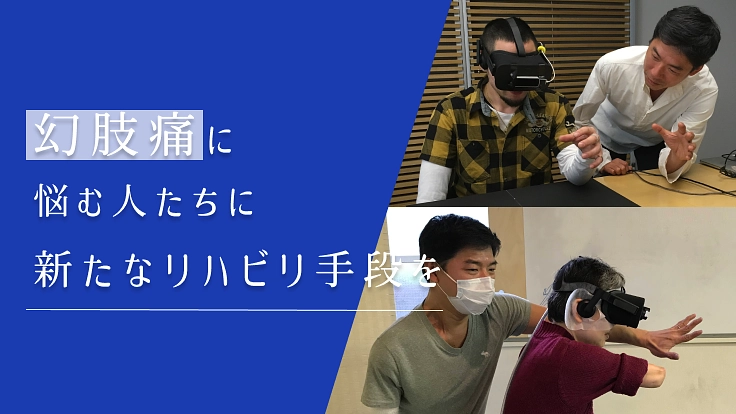
A peer support group where people share their experiences, and Mirror-VR, a self-care VR app born from participatory research.
*On this site, “narrative” means reframing pain not as an objective symptom but as a story the person themselves tells — and genuinely standing beside them in it. “Design,” too, refers not to how something looks, but to the act of finding and solving problems.
ScrollPhantom Limb Pain Support Group & VR Trial Sessions
Not just to ease pain, but to raise quality of life (QOL) and support each person's path toward a new step forward — including a return to society.
A feature on the phantom limb pain support group from the TV program “Kigyo Damashii.”
We welcome ongoing support
The phantom limb pain support group is run through ongoing donations. We welcome continuing supporters who can help us keep the weekly sessions going.
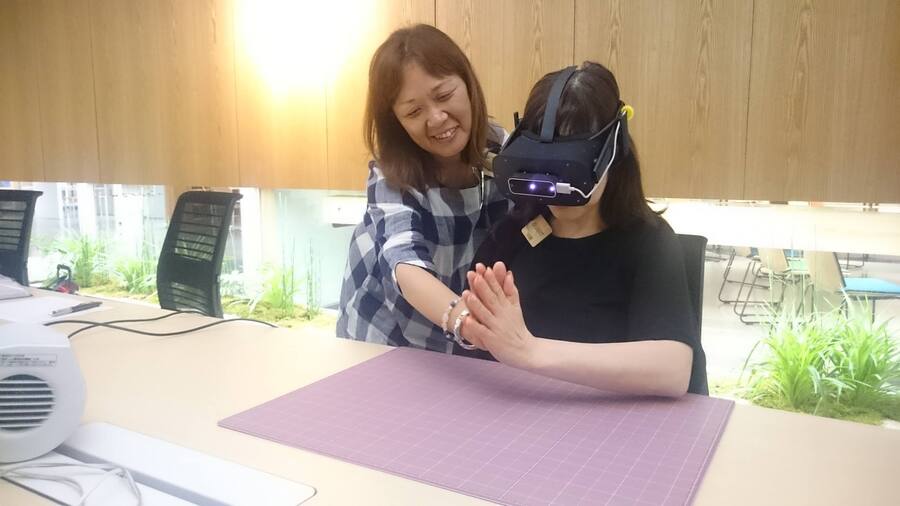
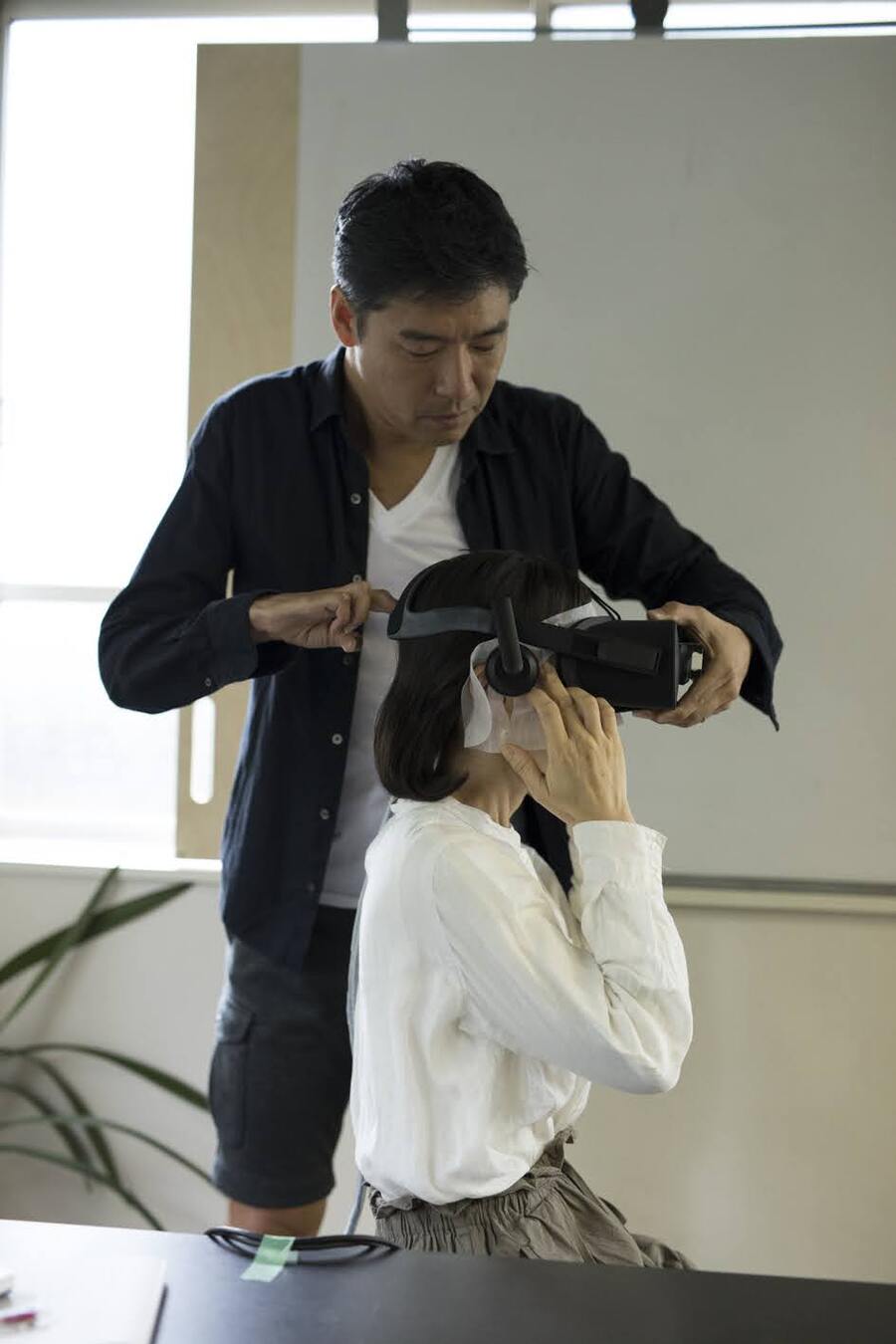
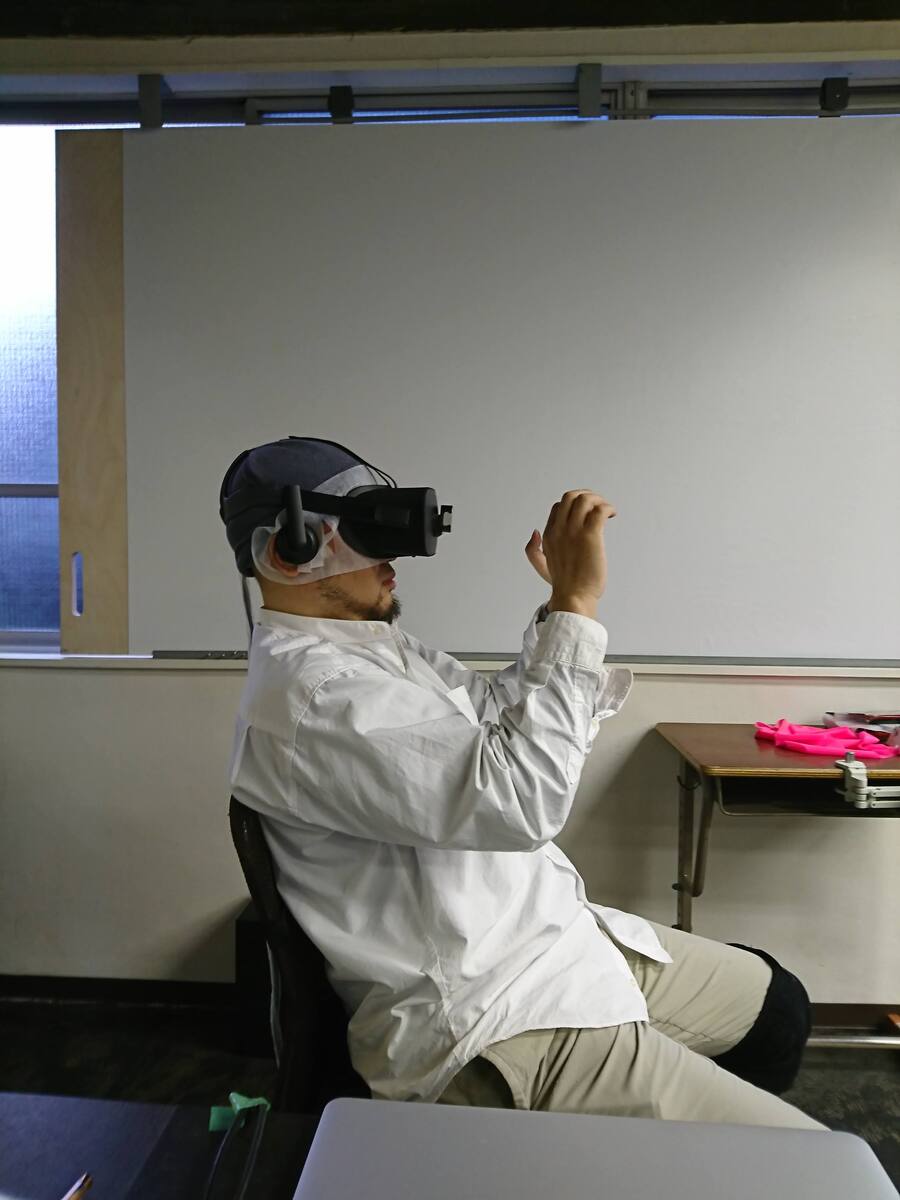
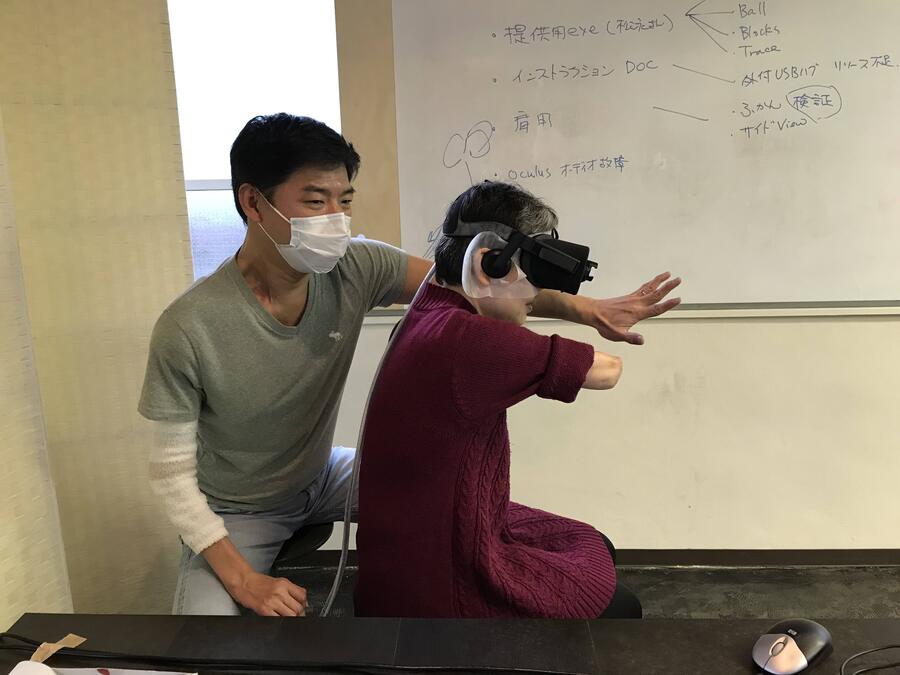
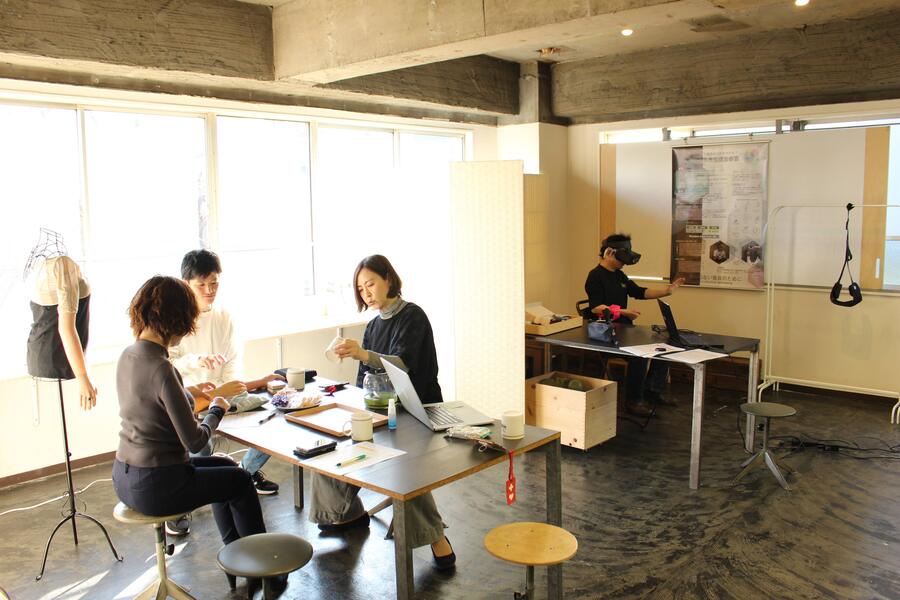
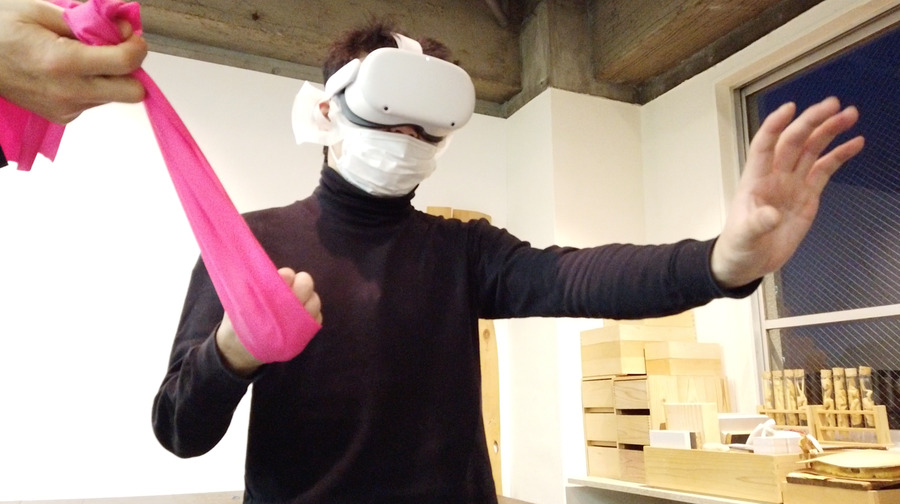
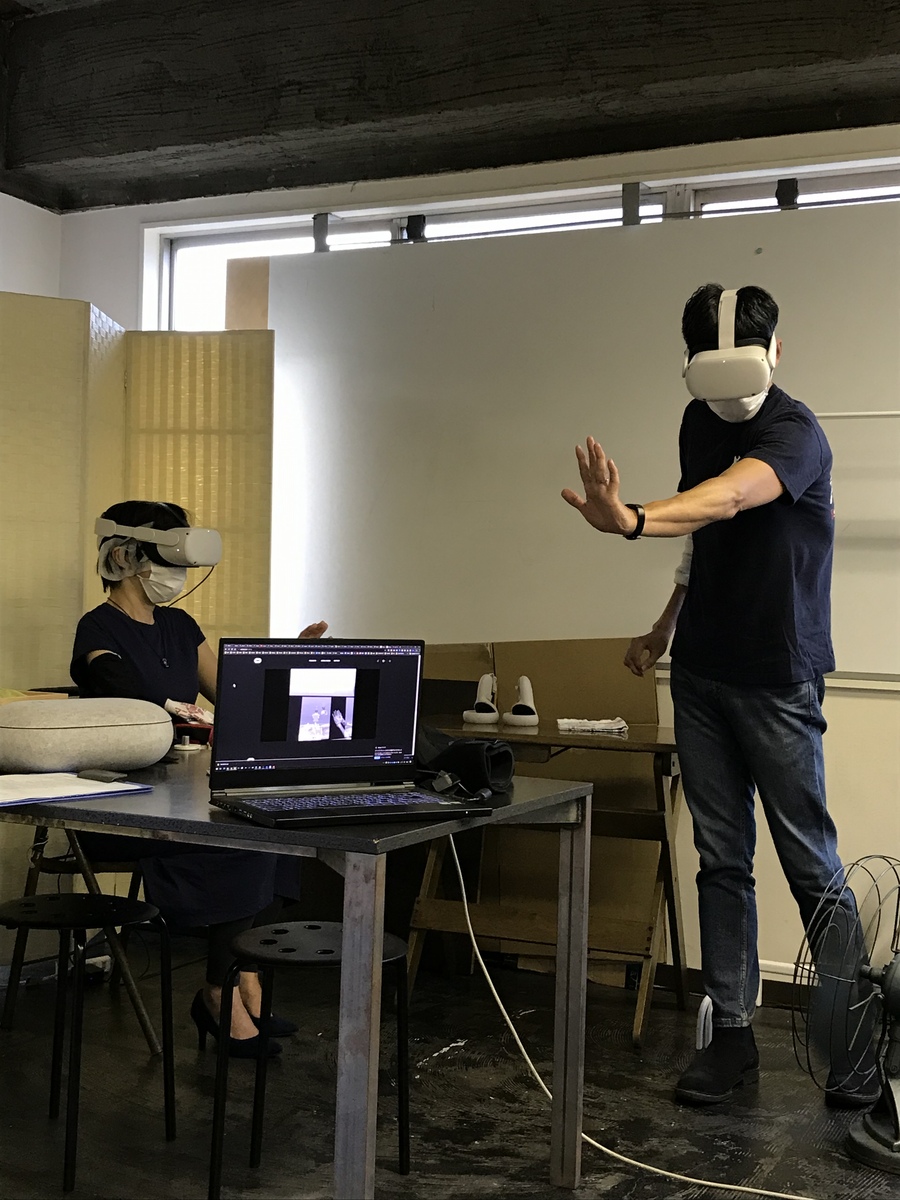
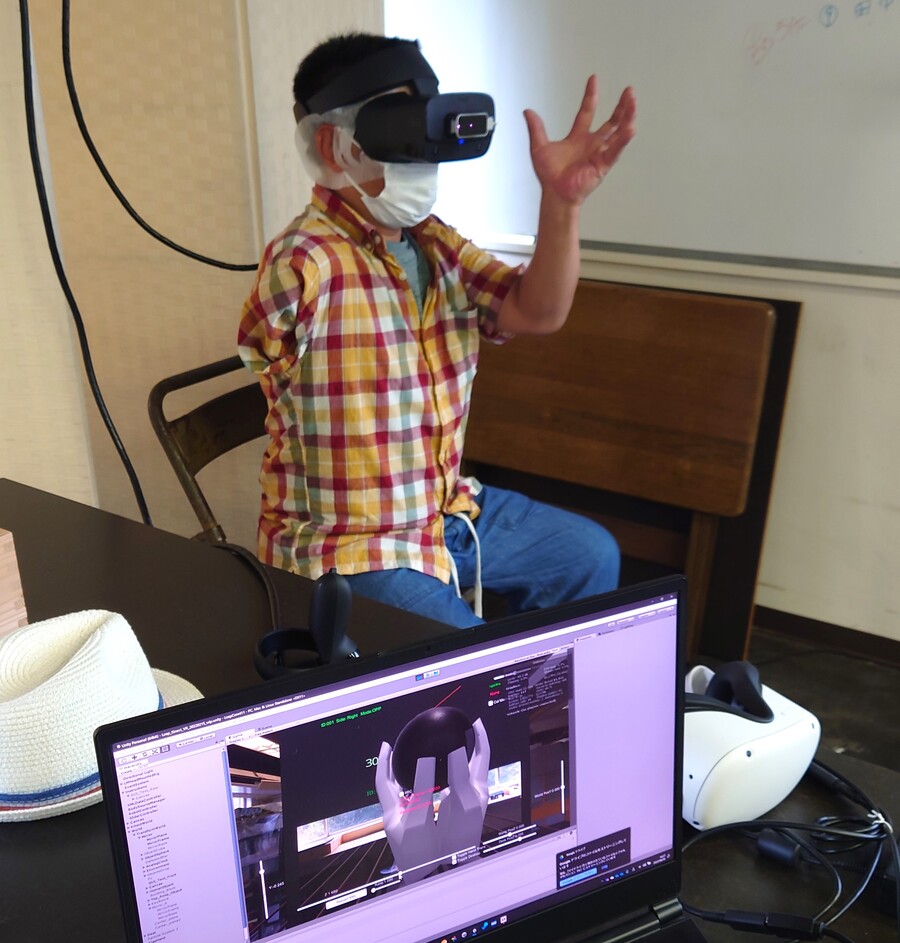
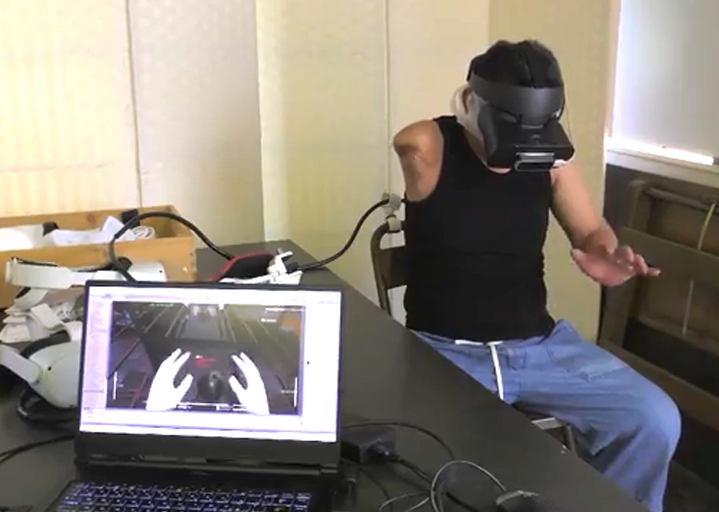
Started by members of NPO Mission ARM Japan, bringing together people living with phantom limb pain.
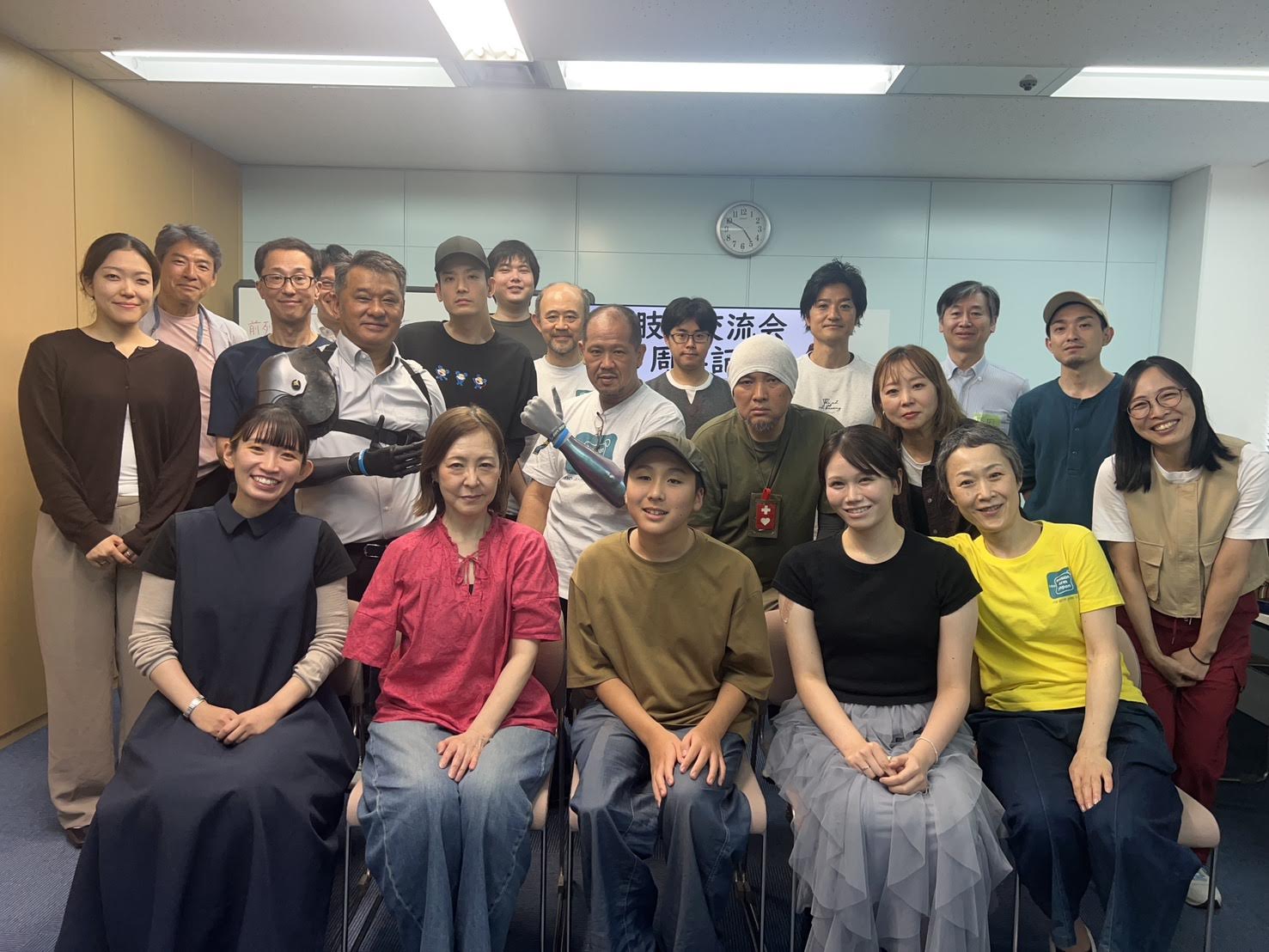
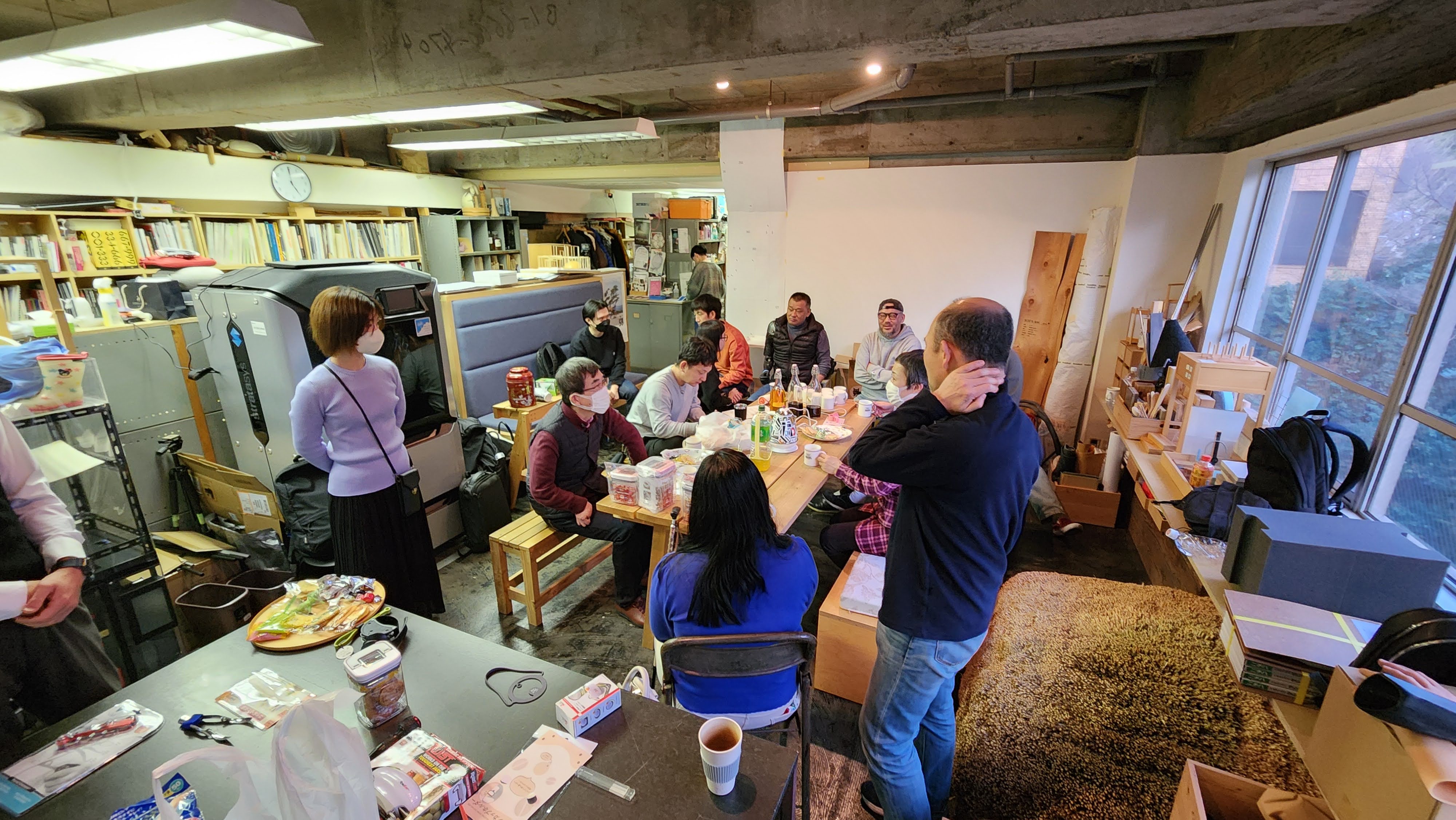
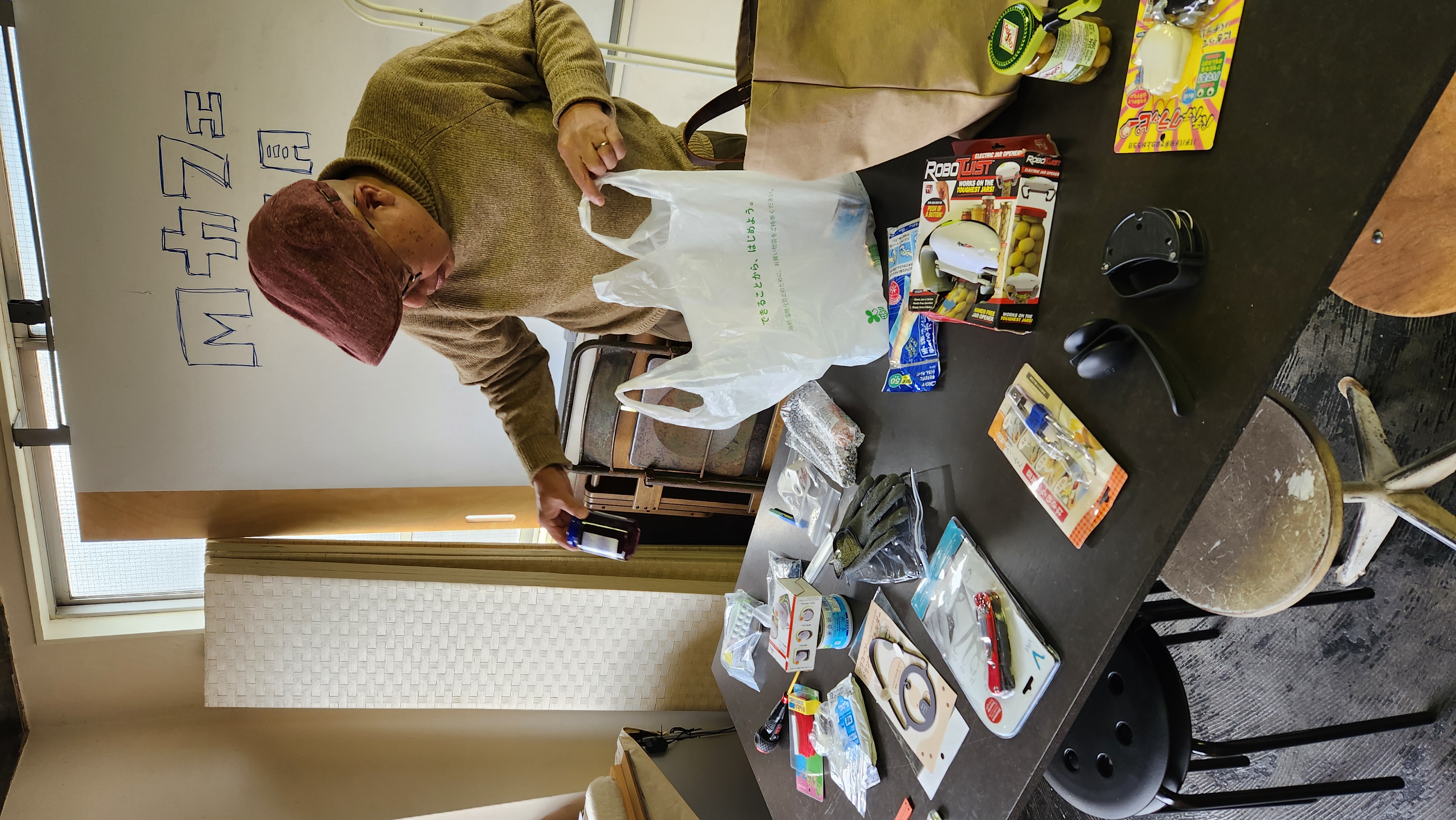
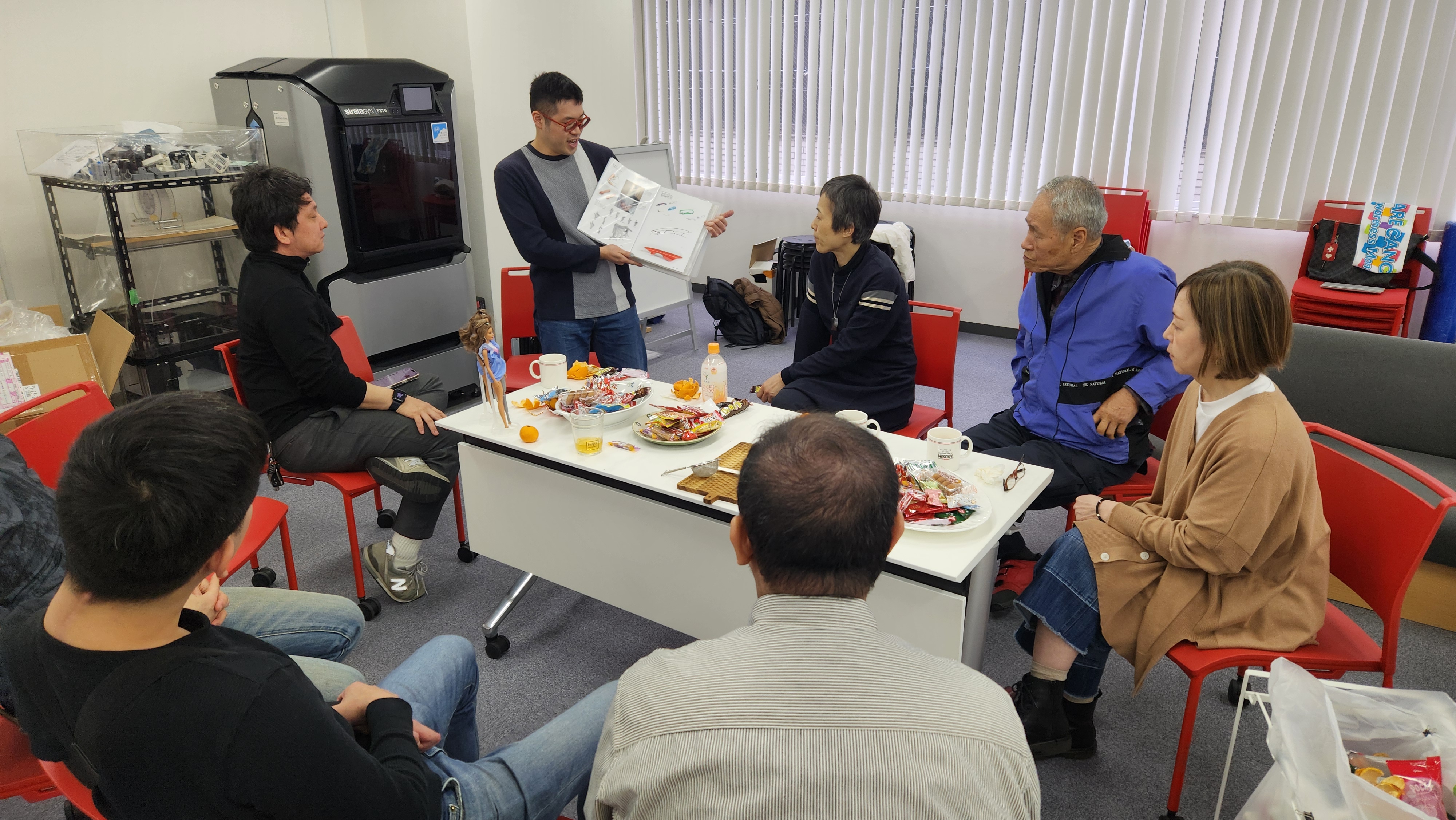
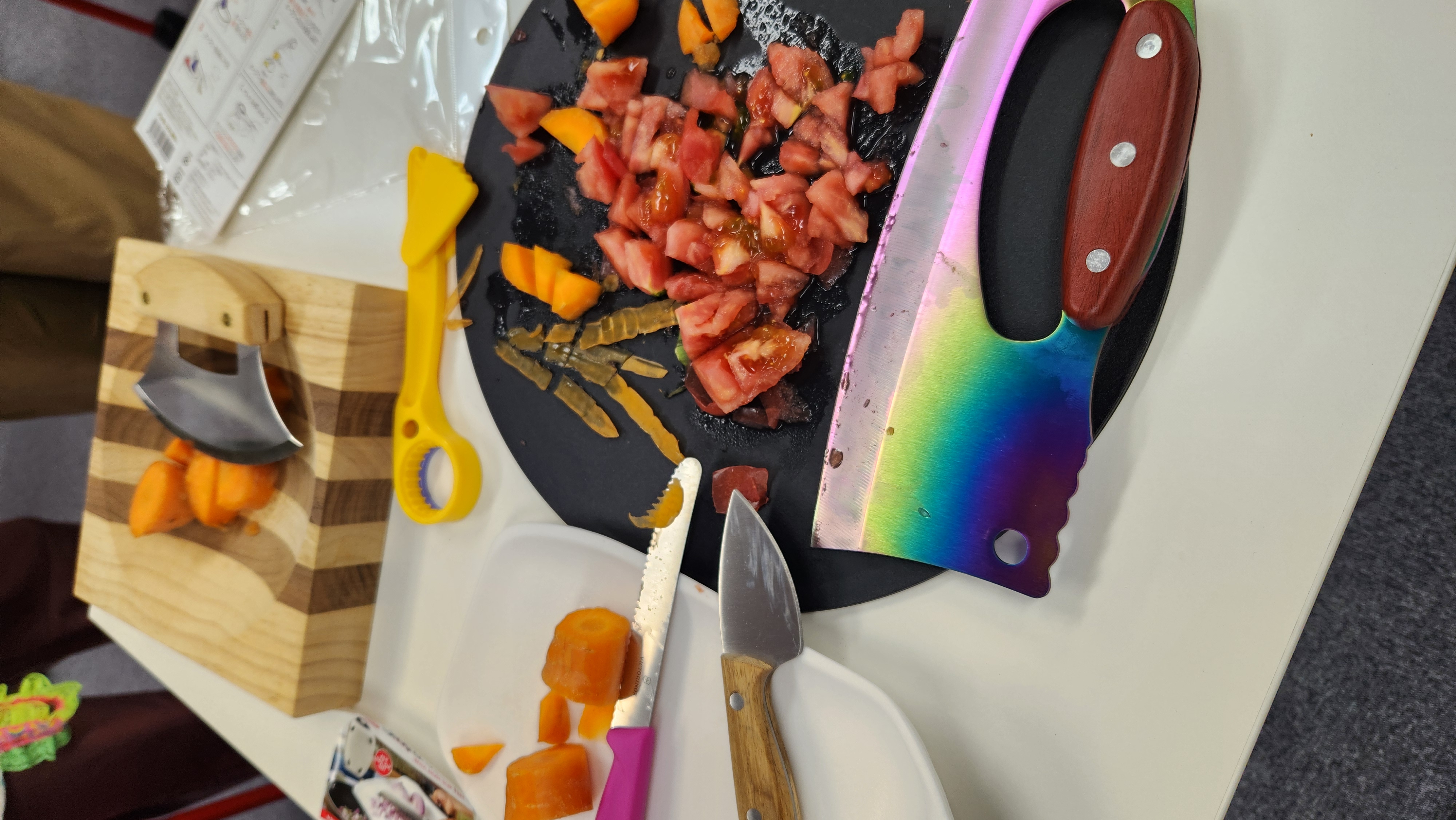
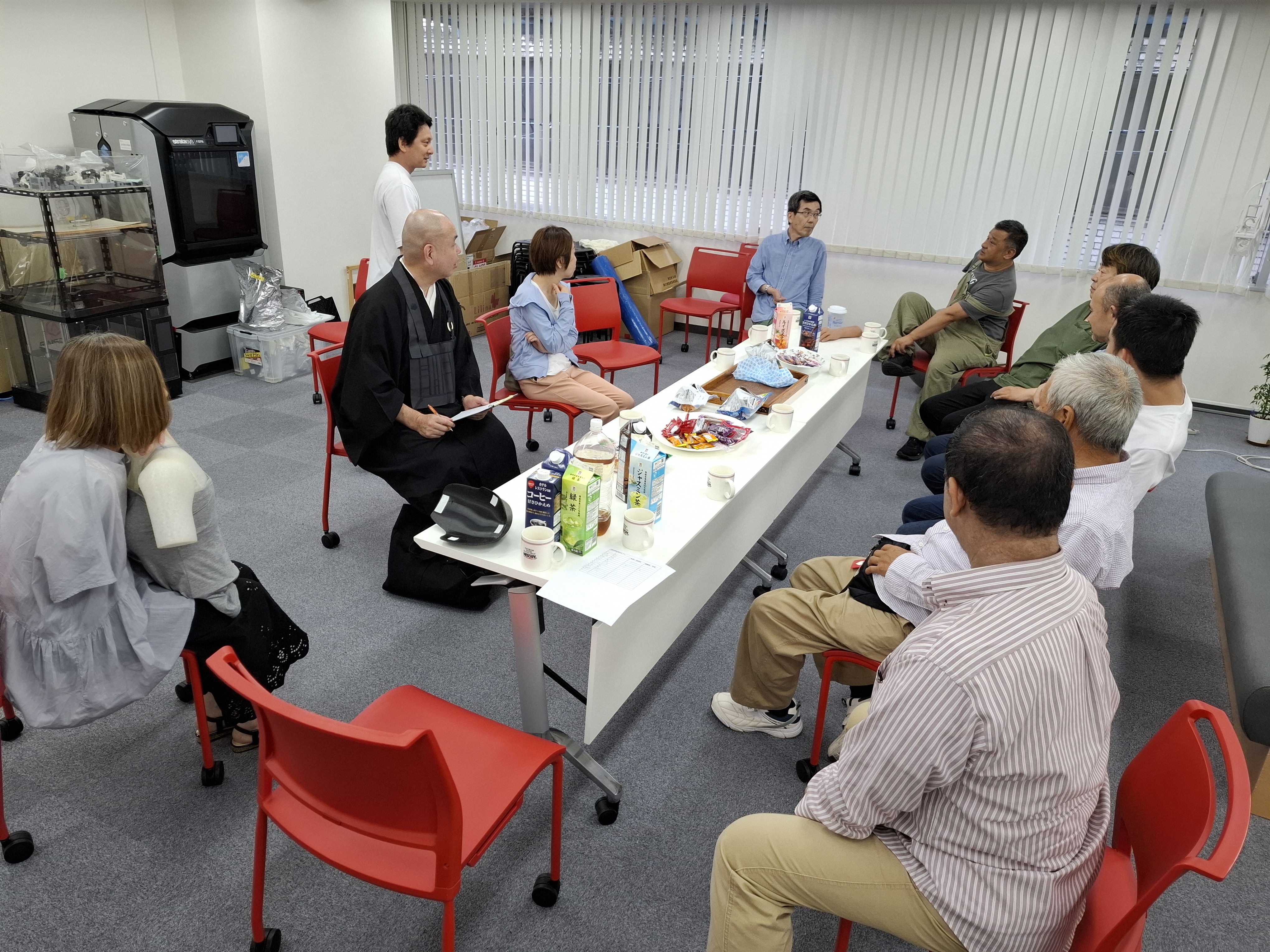
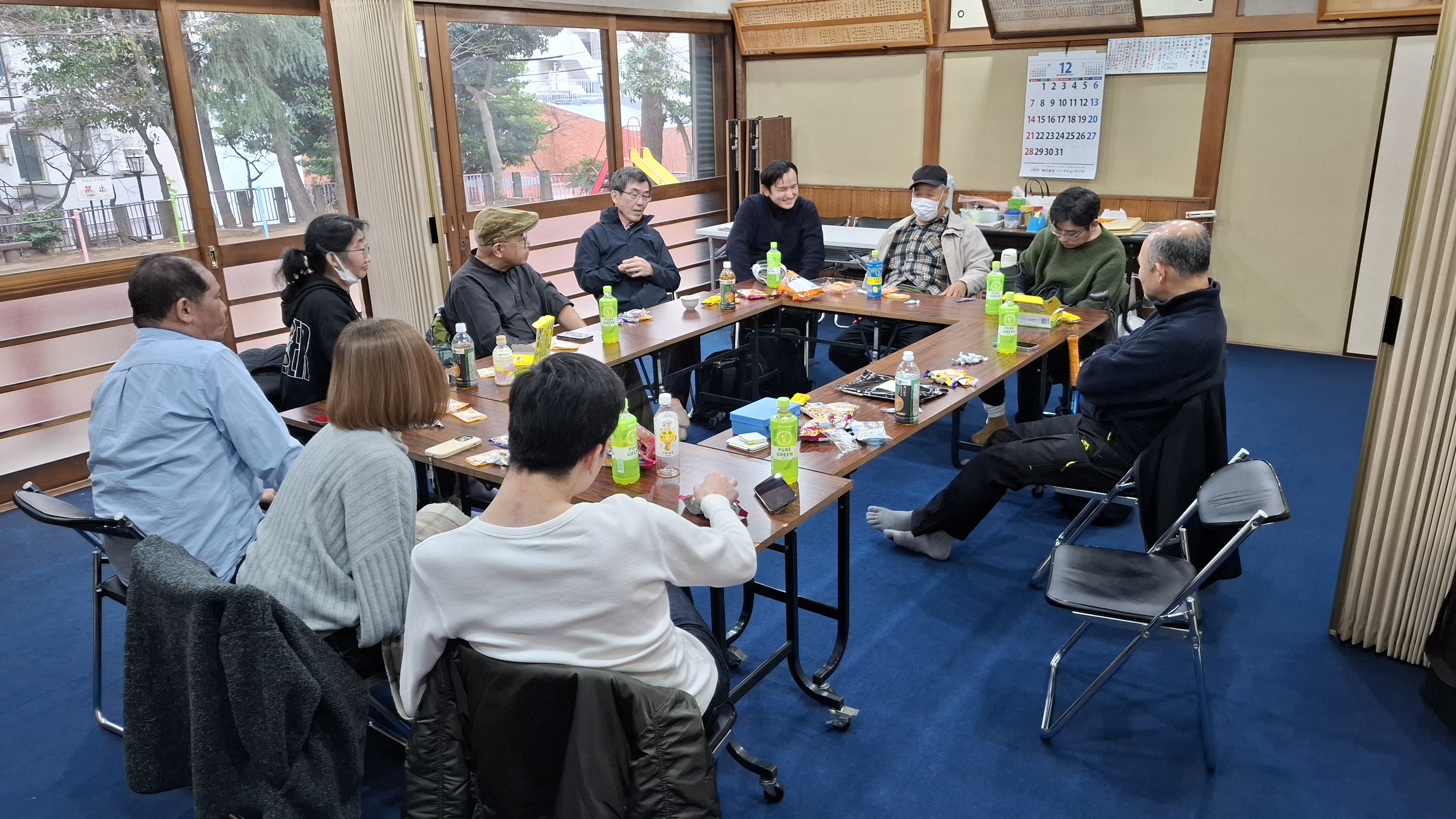
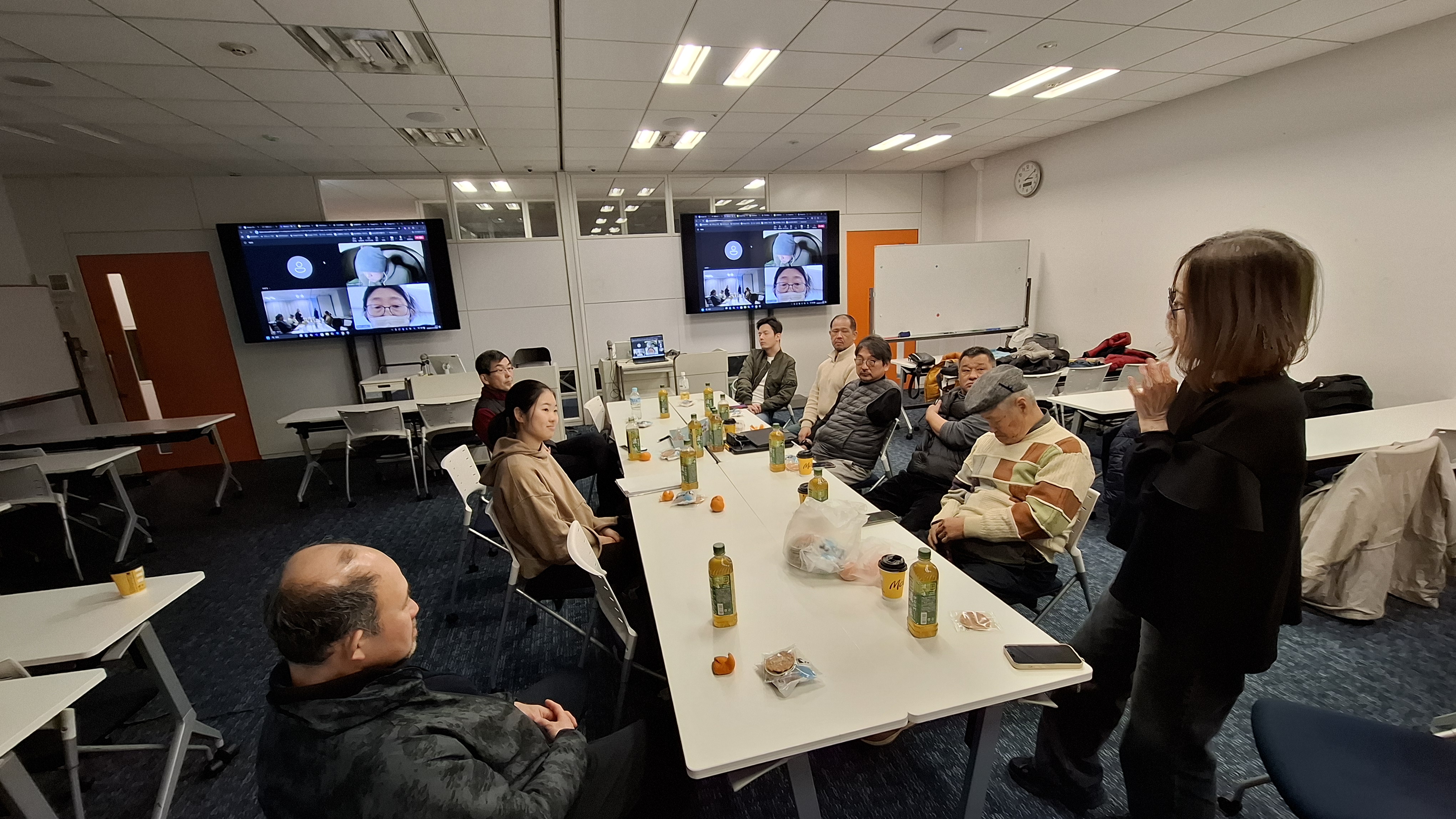
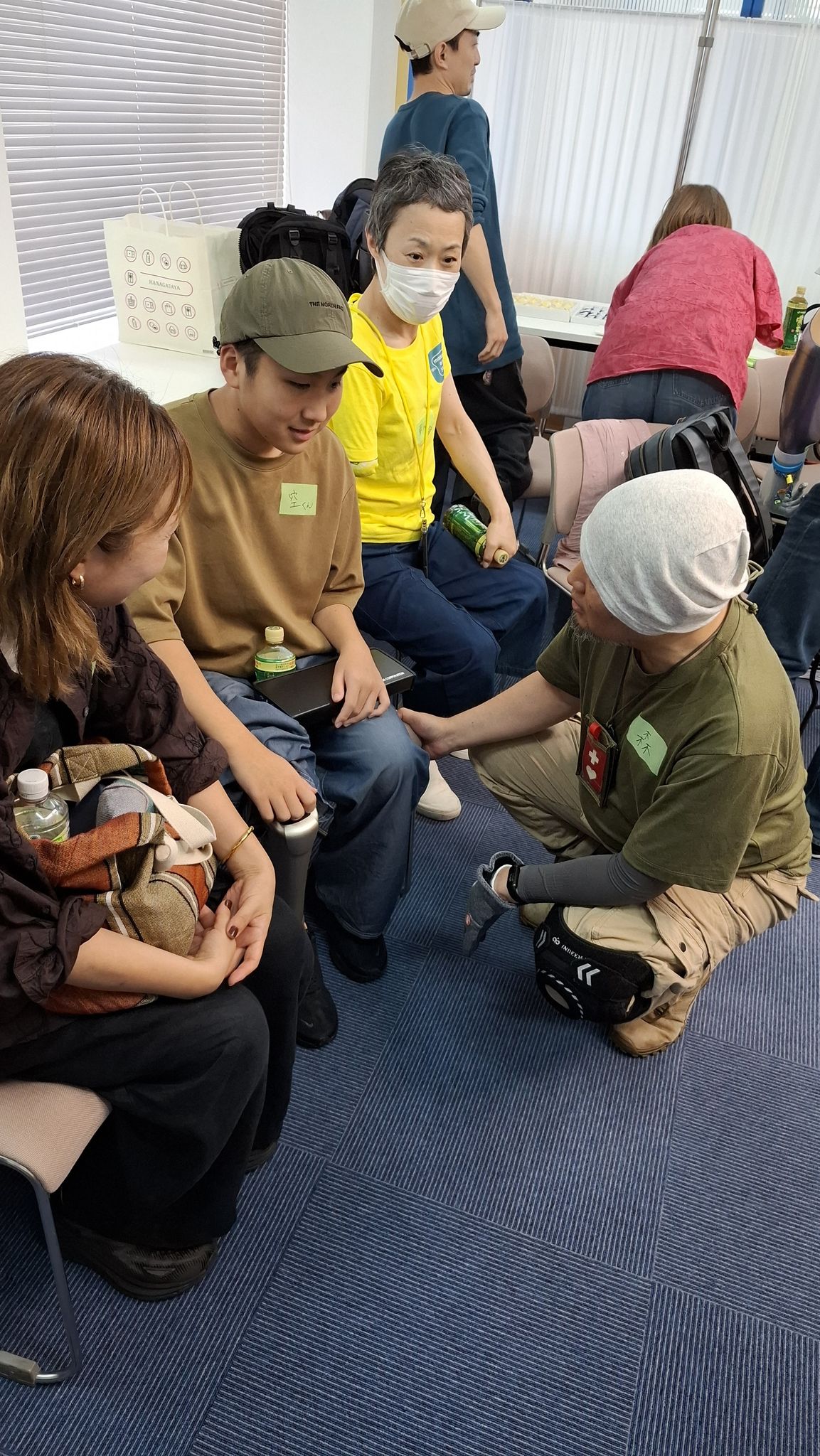
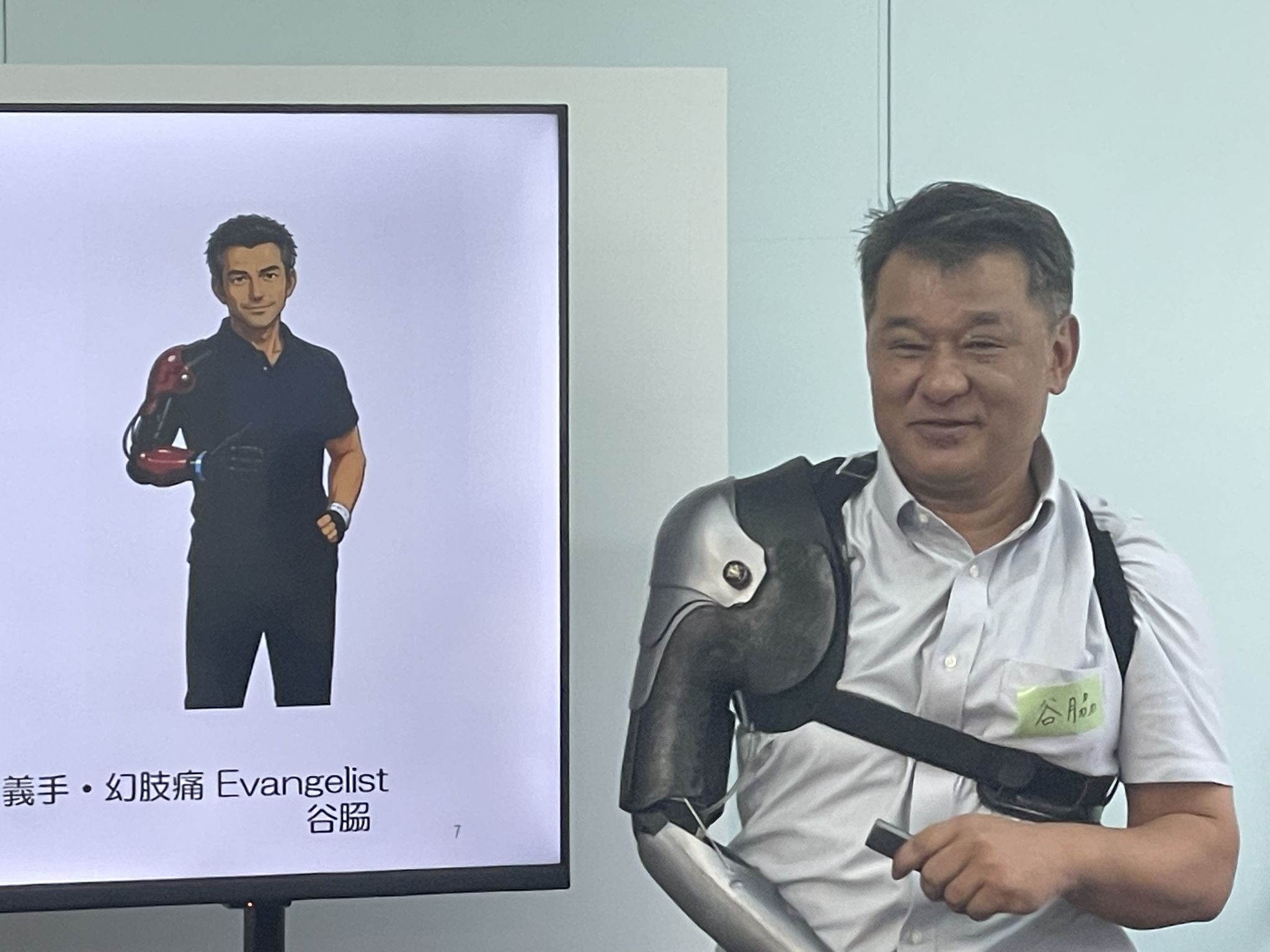
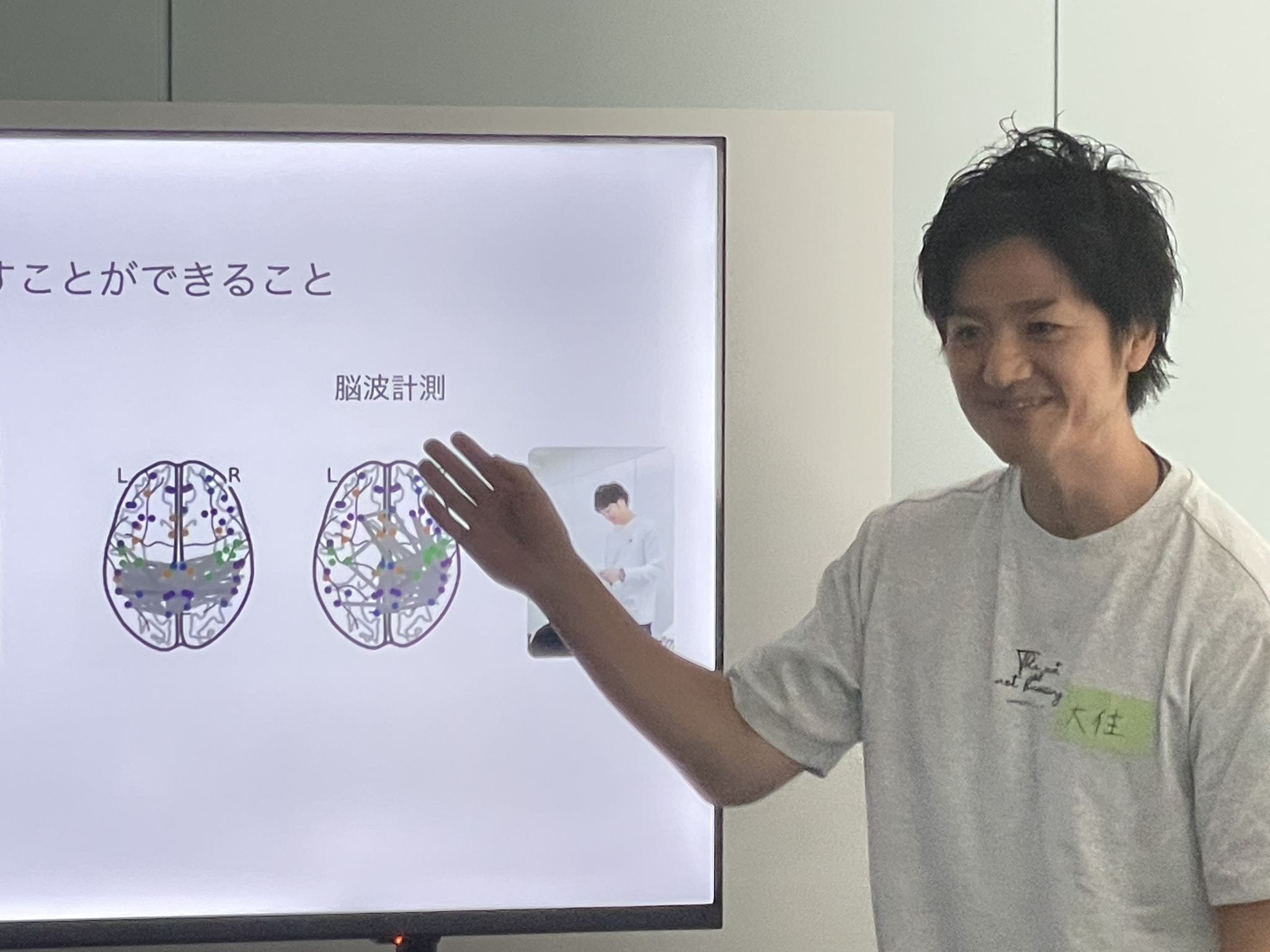
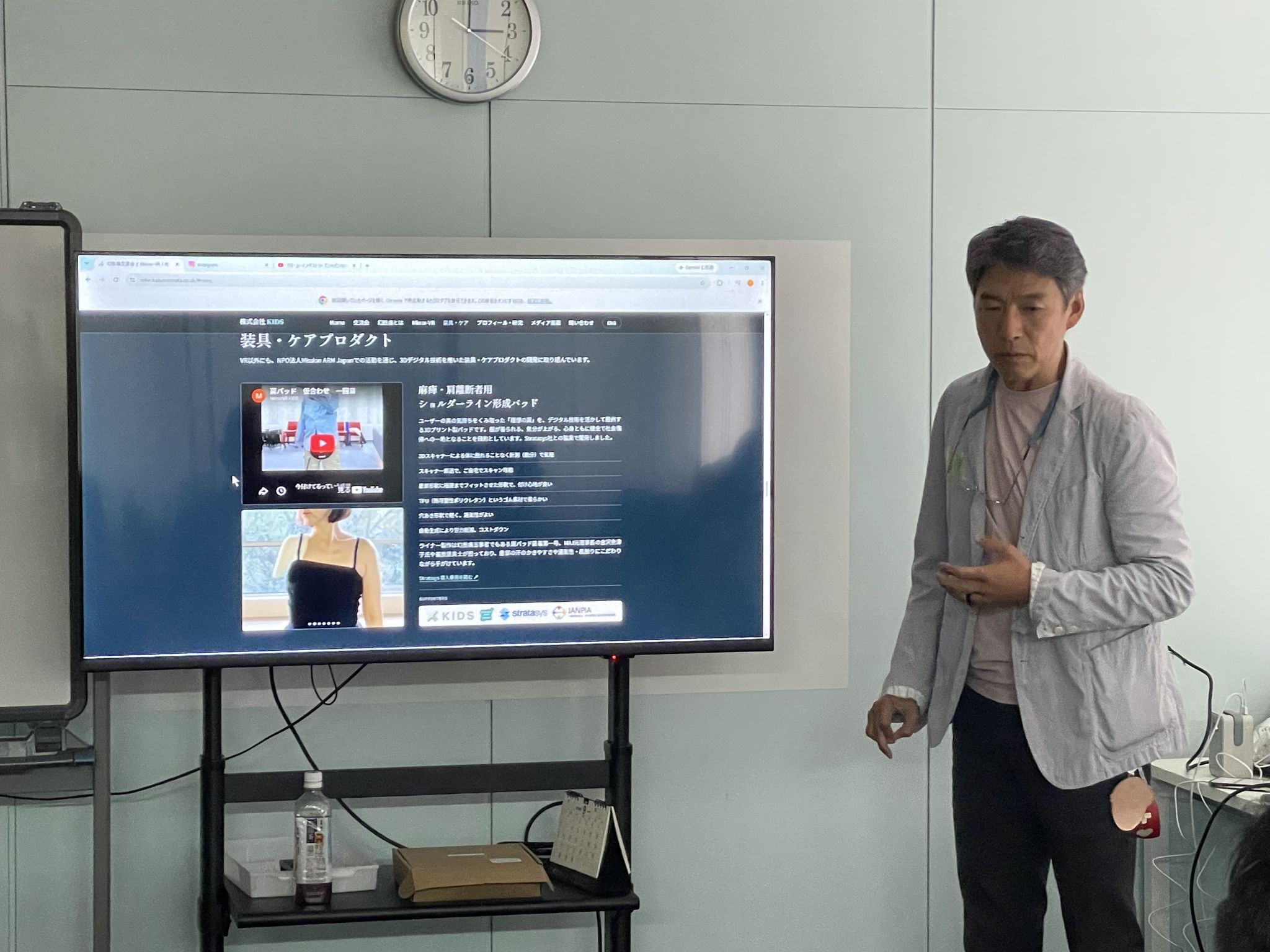
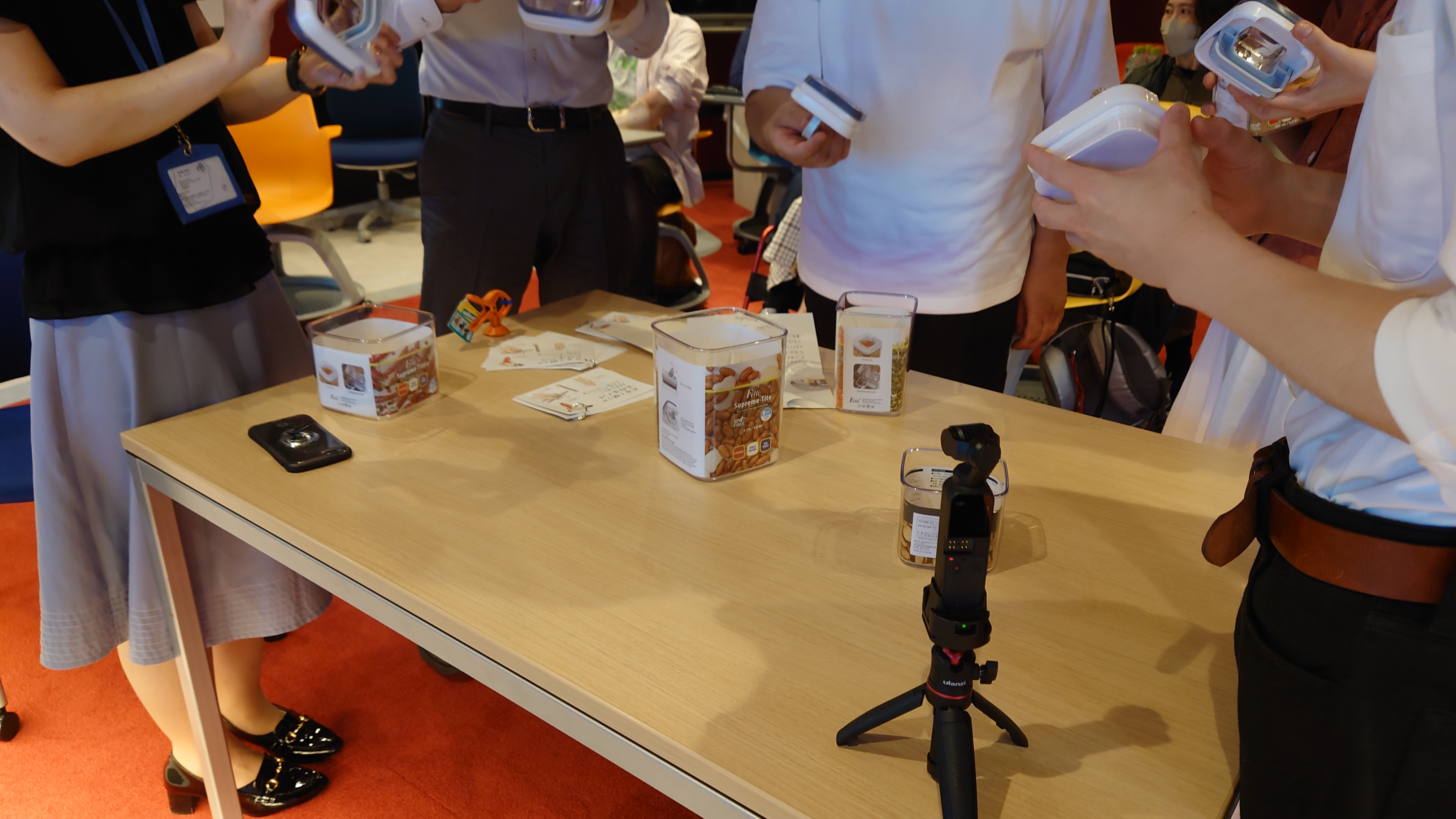
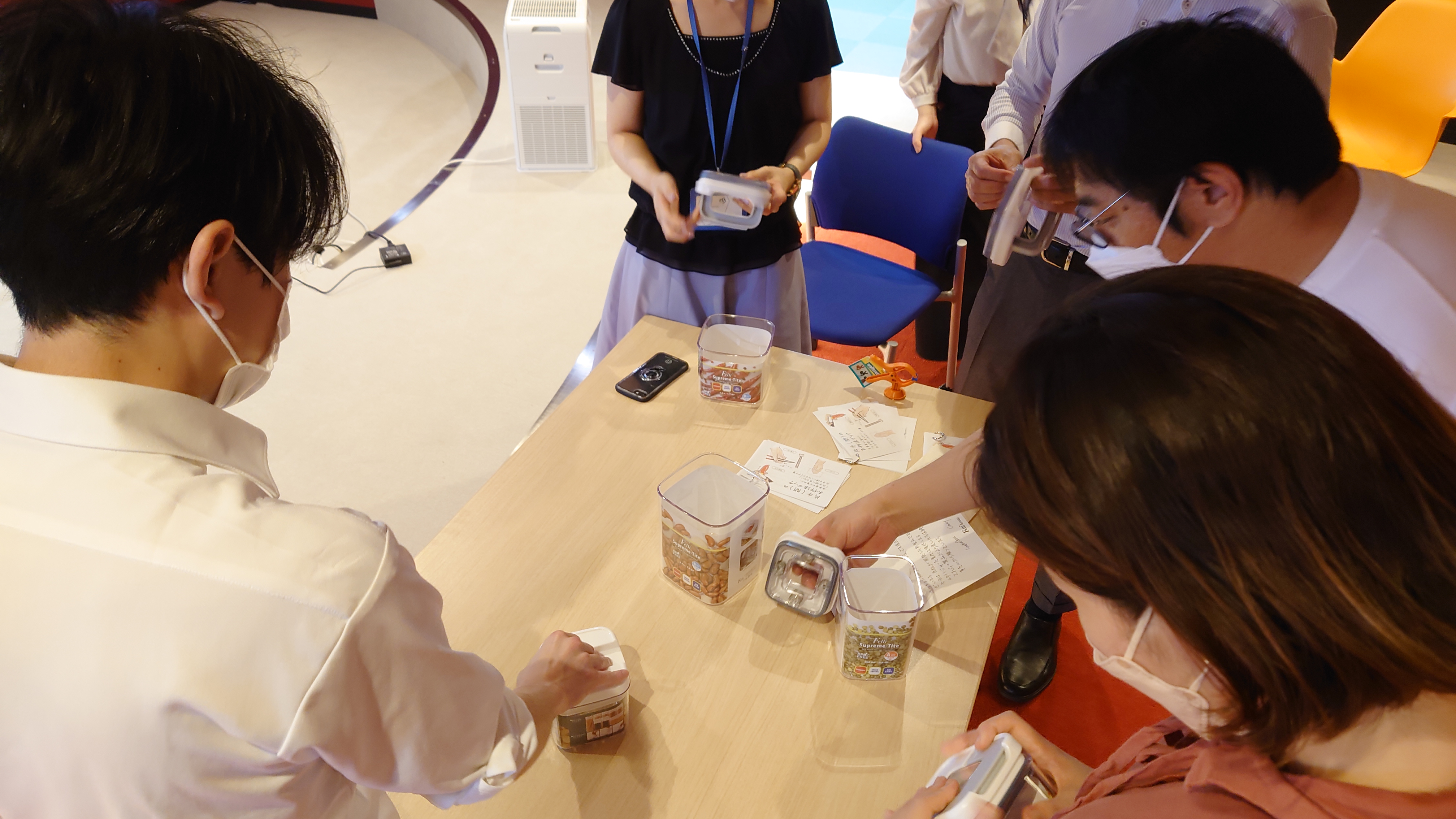
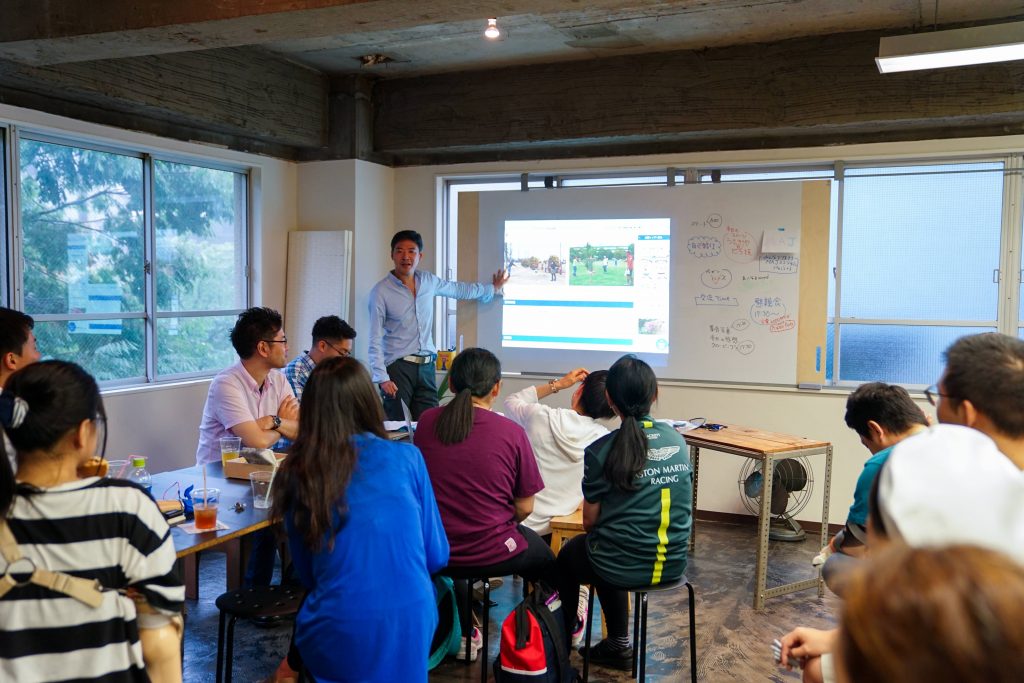
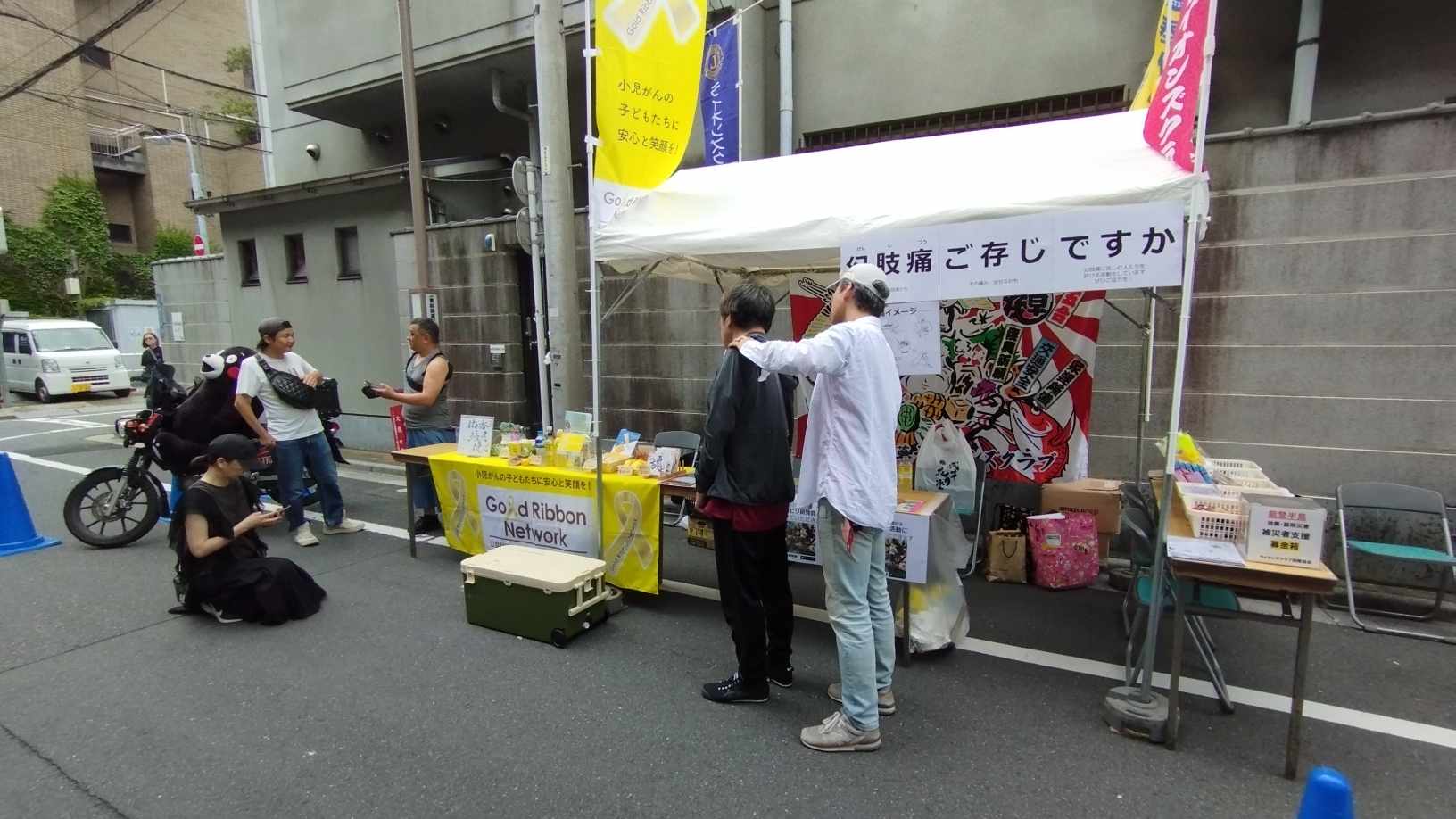
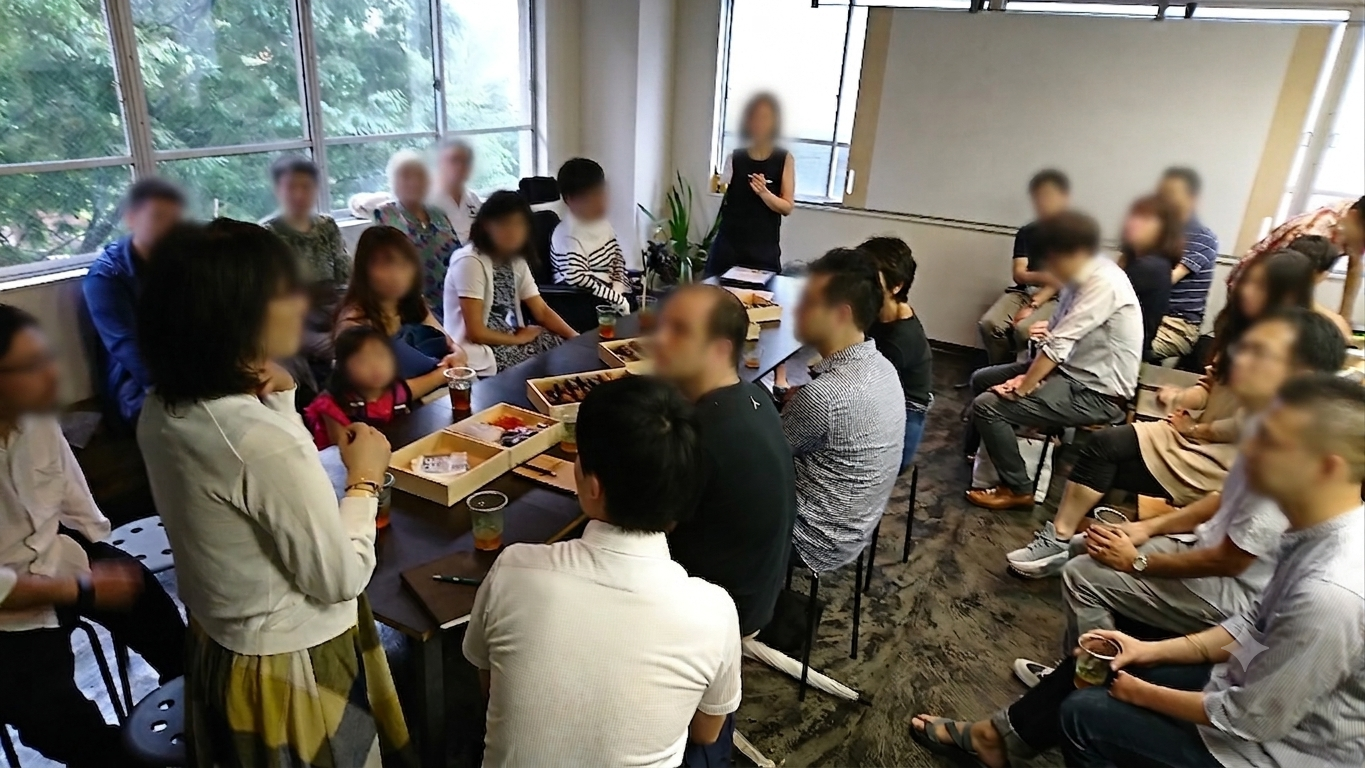
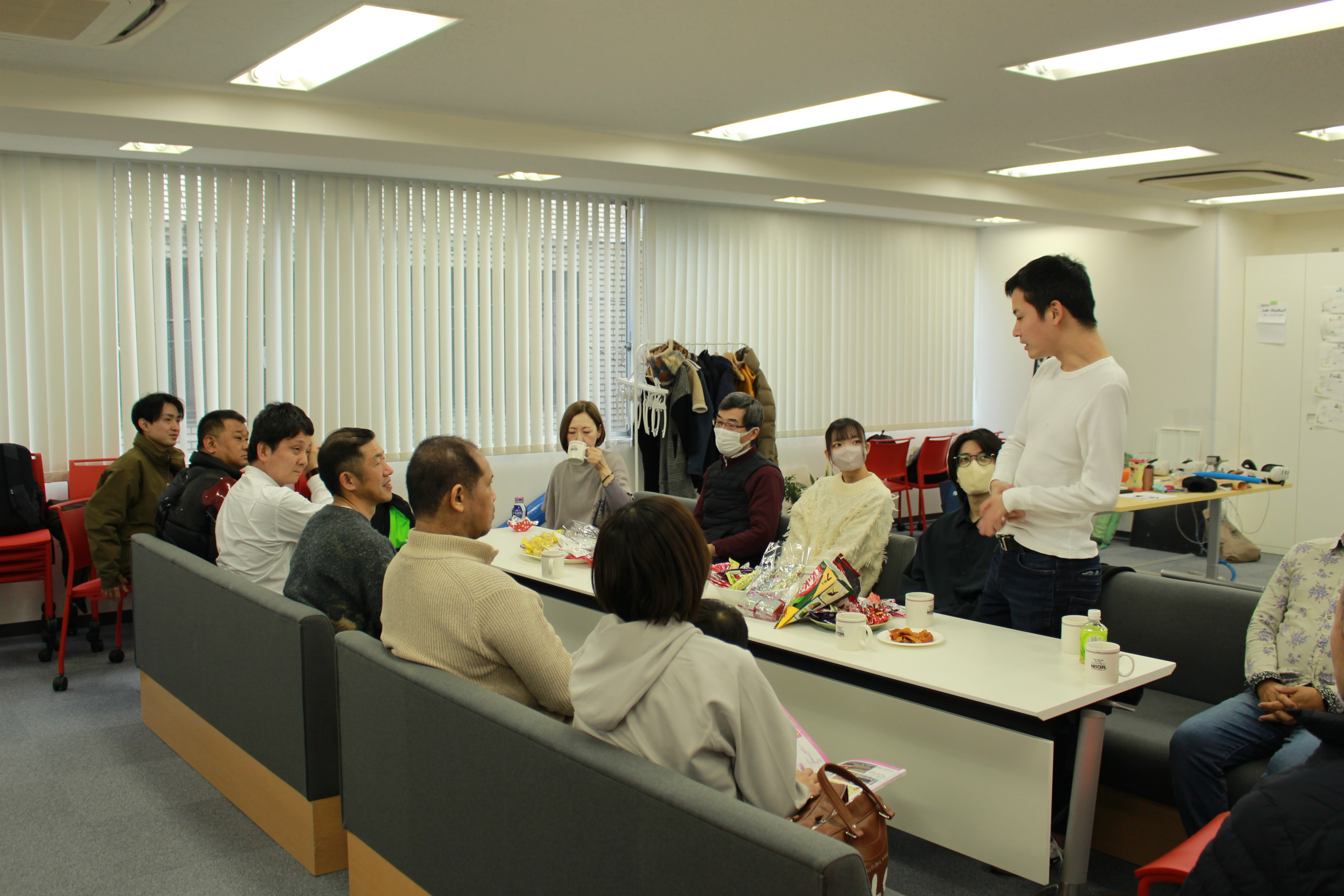
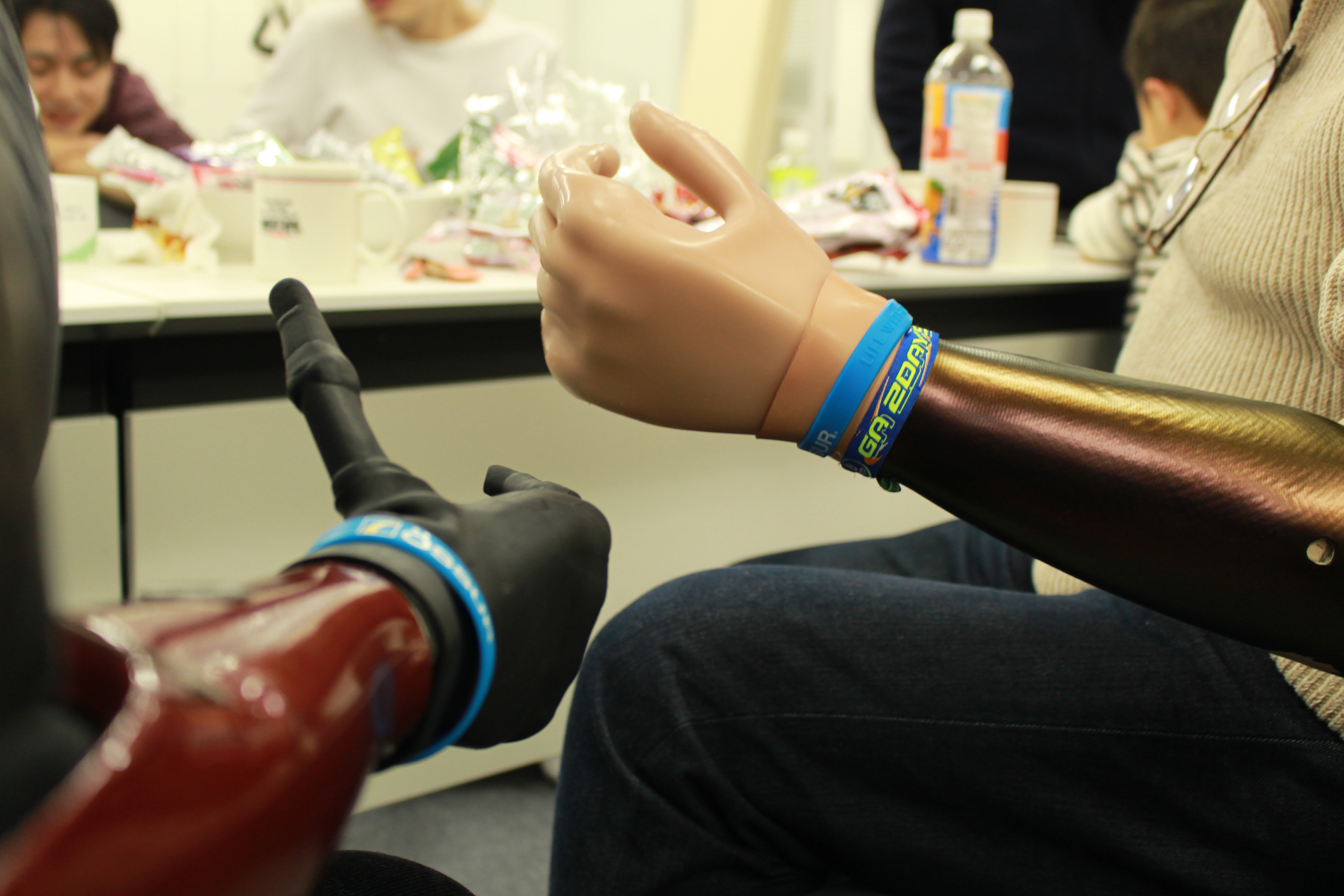
A gathering of “M Cafe,” hosted by NPO Mission ARM Japan
- Study sessions to learn about phantom limb pain
- Information exchange among peers
- Sharing whole-body care, not just the affected area
- Sharing a phantom limb pain calendar
- Trying VR-based self-care
More than 90 people living with phantom limb pain have taken part in the KIDS-hosted meetups so far. There is also cross-participation with NPO Mission ARM Japan’s monthly “M Cafe” meetup, whose total number of participants has topped 300 people. In-person turnout is strong too, with VR alumni evangelists and automotive-industry volunteers now running activities in Osaka and Hiroshima. Some people whose symptoms have eased through VR go on to become “peer therapists” themselves — the first to do so now works alongside Prof. Osumi at Kio University’s Neurorehabilitation Research Center.
Participants who have come for training range from teens to their 90s, living with conditions such as brachial plexus avulsion injury, forearm amputation, upper arm amputation, bilateral amputation, shoulder disarticulation, stroke, thalamic pain, and congenital upper limb deficiency.
(Trial) Every day except Thursday, including weekends.
If you are living with phantom limb pain and would like to join, please contact us by email below.
kids.mirrorvr@gmail.com
“M Cafe”
If jumping straight into the phantom limb pain support group feels like a big step, you're also welcome to first drop by a monthly meetup hosted by NPO Mission ARM Japan, a more casual, larger group setting, just to see what it's like.
Sign up here ↗
FY2020 support: With support from Rohto Pharmaceutical and contributors to the ReadyFor SDGs crowdfunding campaign, we have been able to reduce the burden on participants while increasing session frequency from biweekly to weekly. We are deeply grateful.
The Team
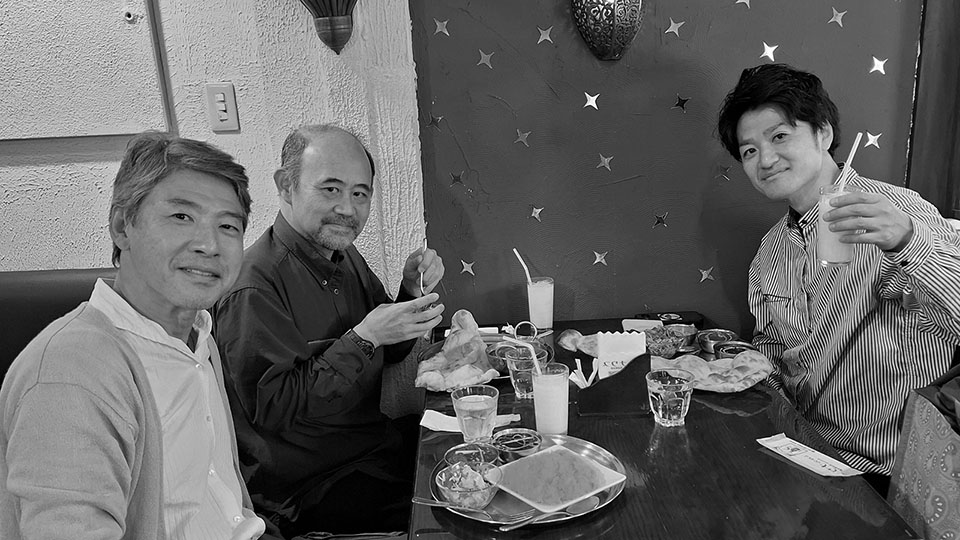
Kazunori Inomata
Living with phantom limb pain himself, he leads the project from the perspective of participatory research.
Yuji Inoue
Responsible for the technical side, from device selection through to system development.
Prof. Michihiro Osumi
Leads research into the onset and relief of phantom limb pain, from a clinical and data-analysis perspective.
Alongside the core members above, female occupational therapists, peers, and student staff also attend sessions, so that women living with phantom limb pain can take part with peace of mind.
Community Project
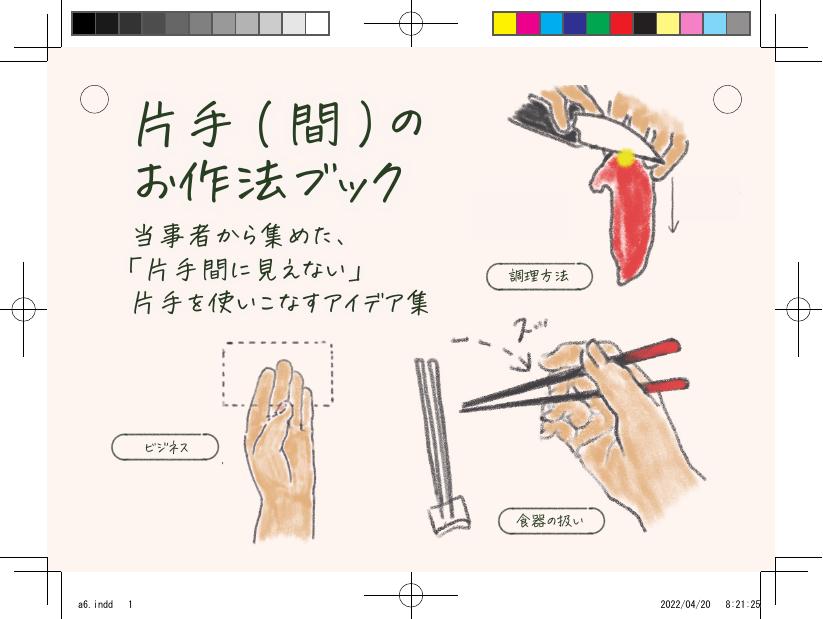
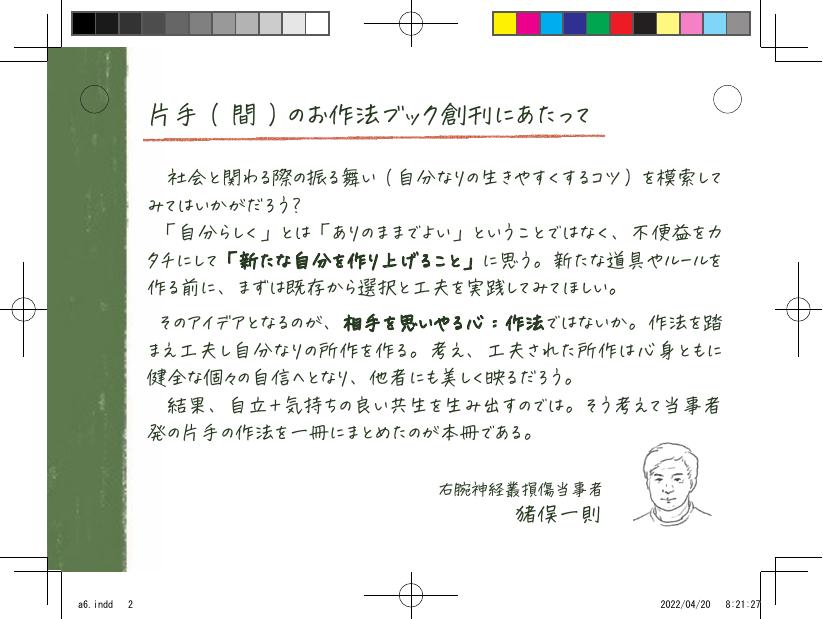
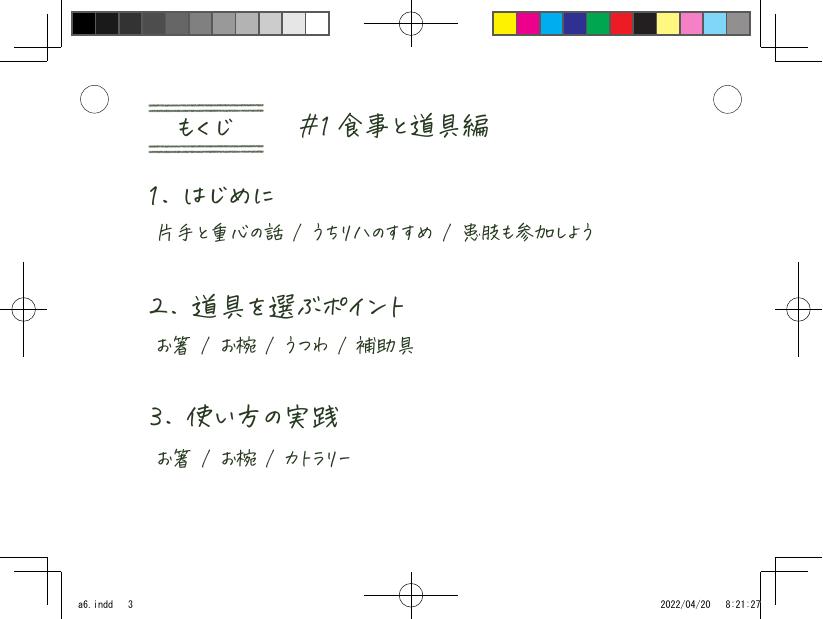
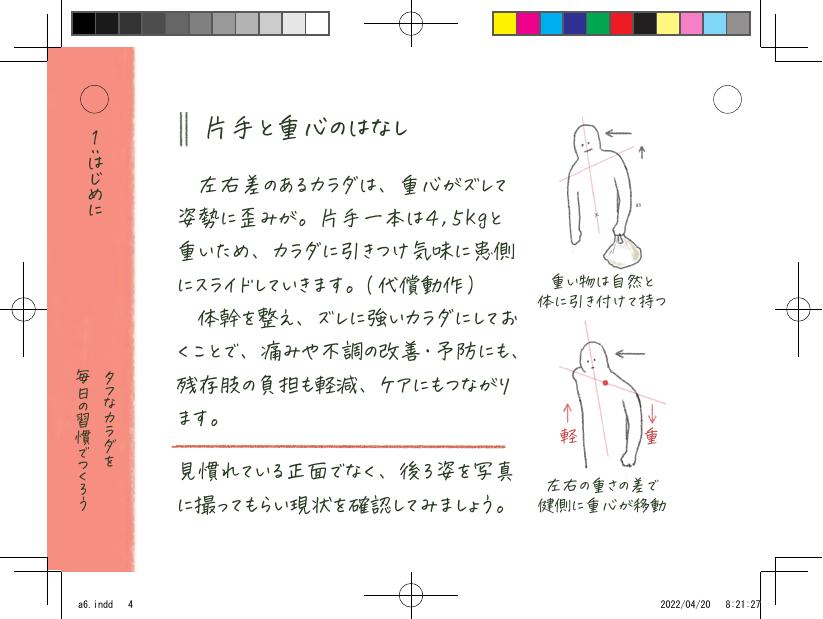
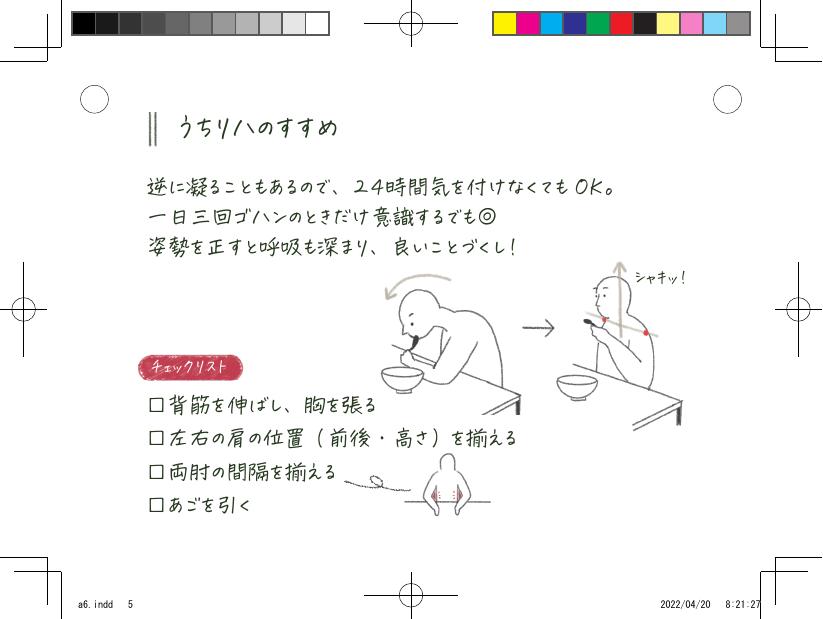
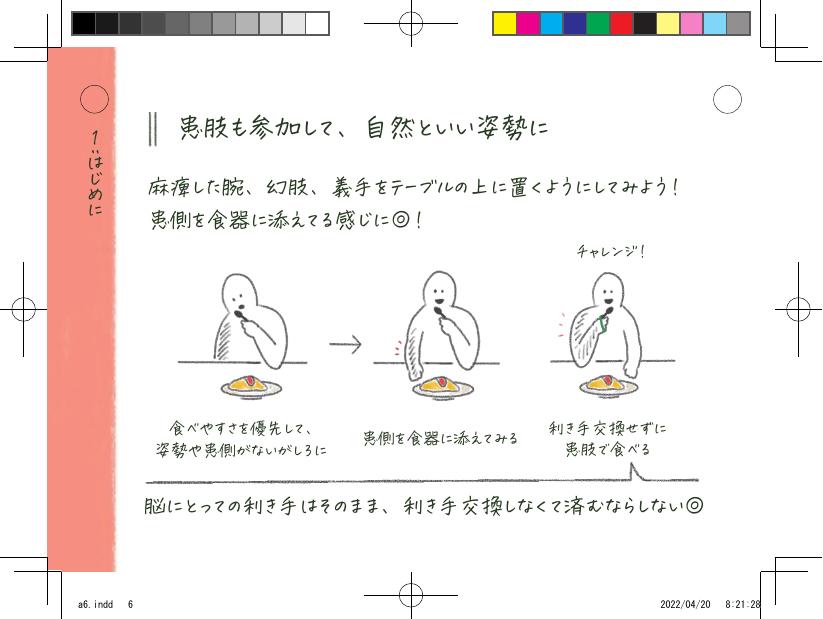
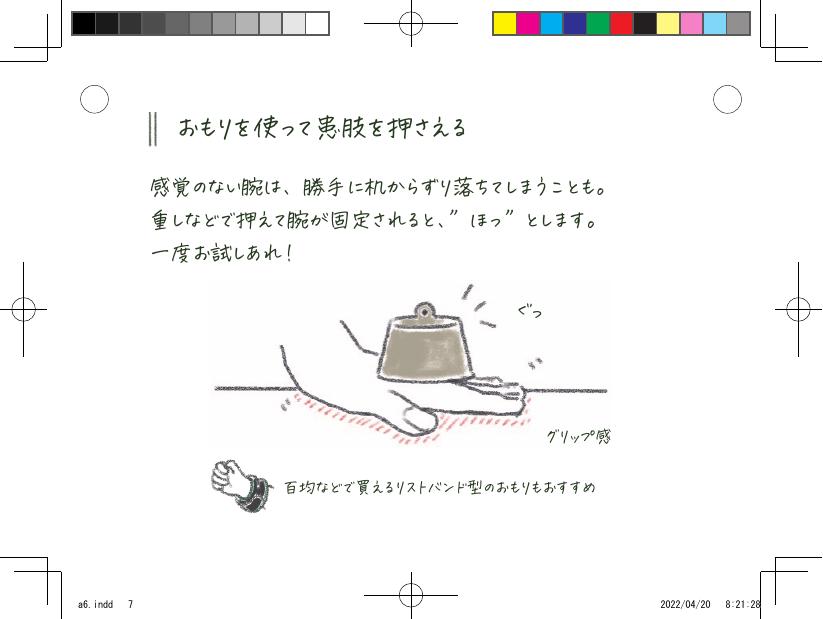
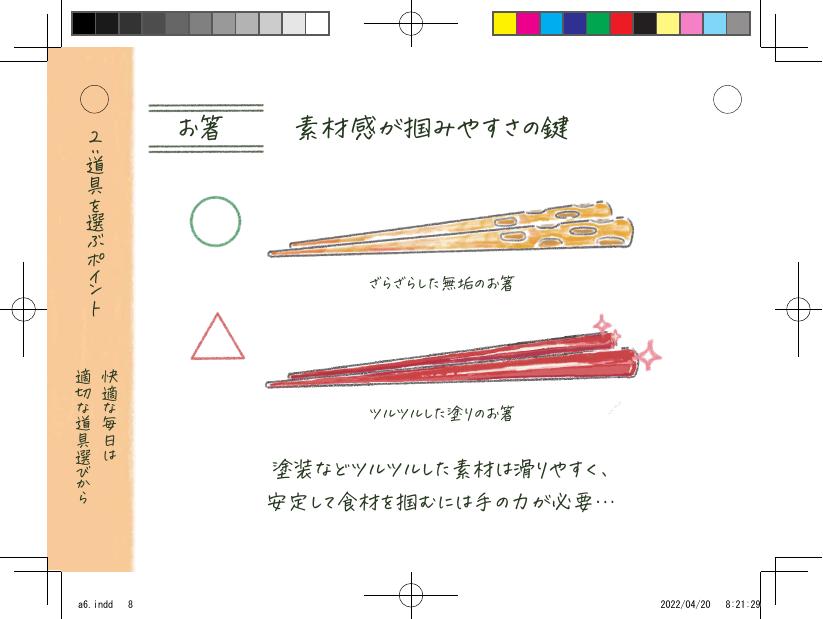
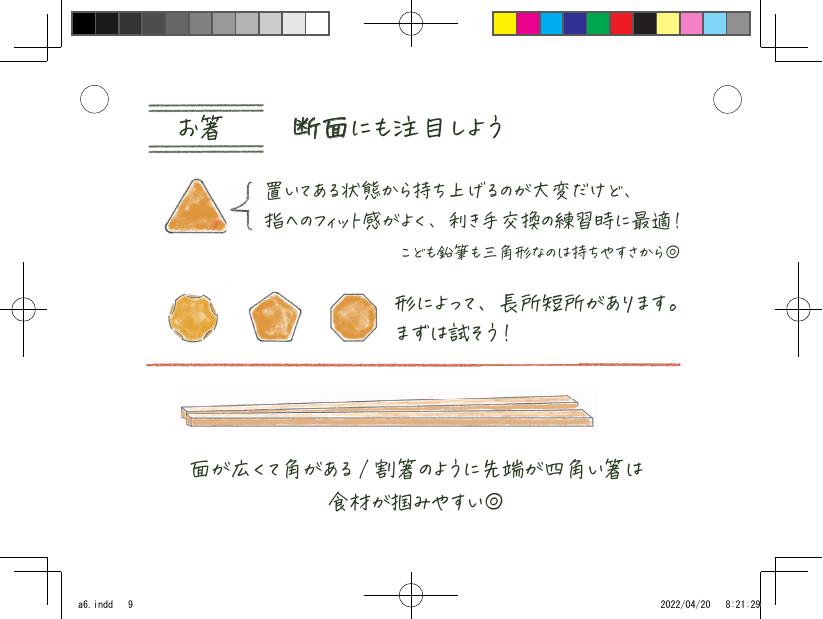
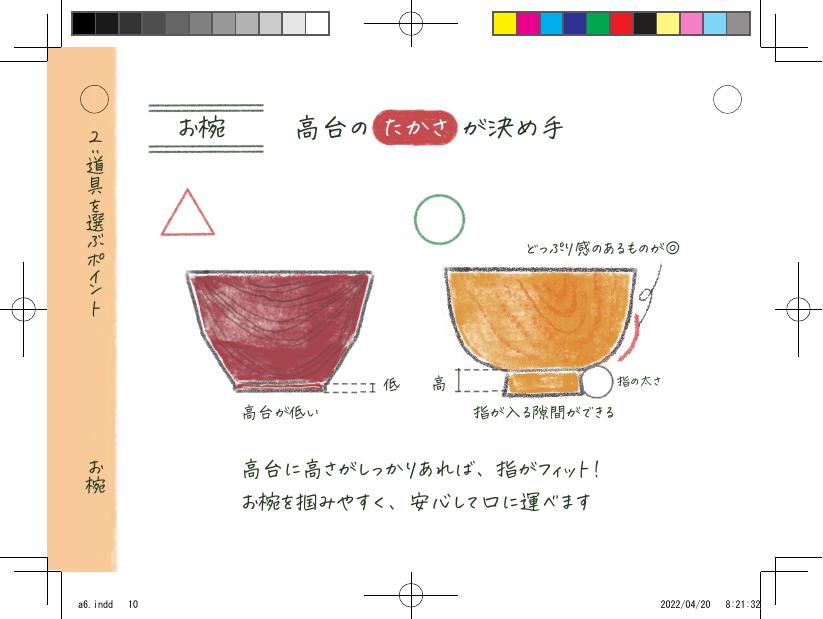
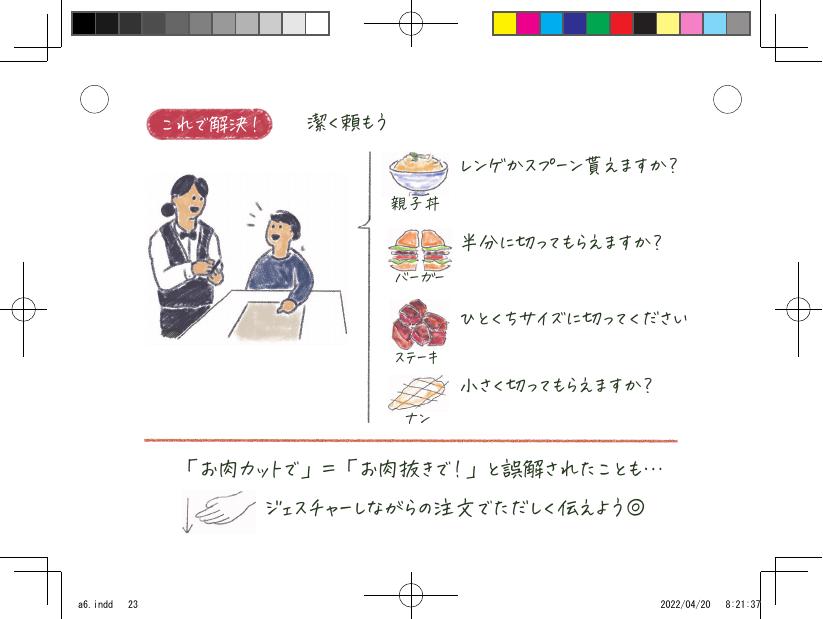
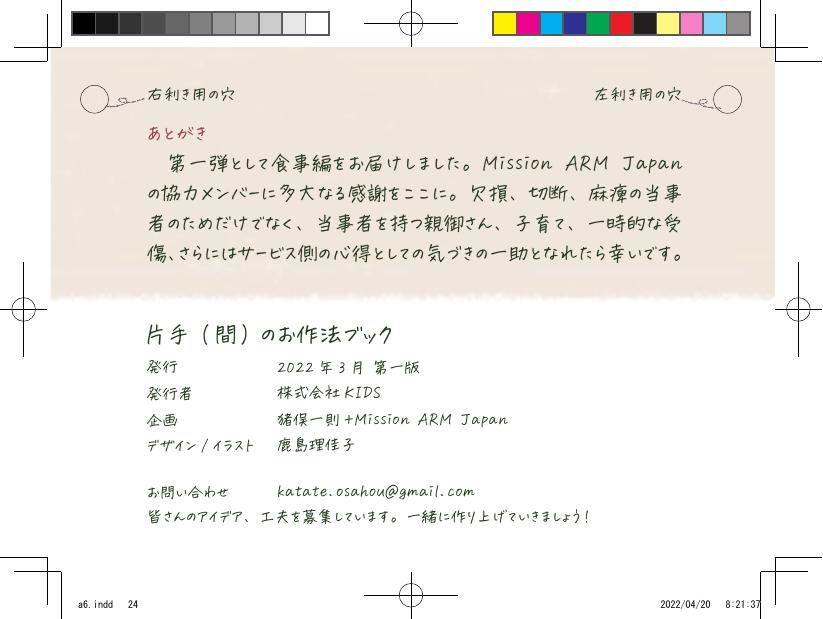
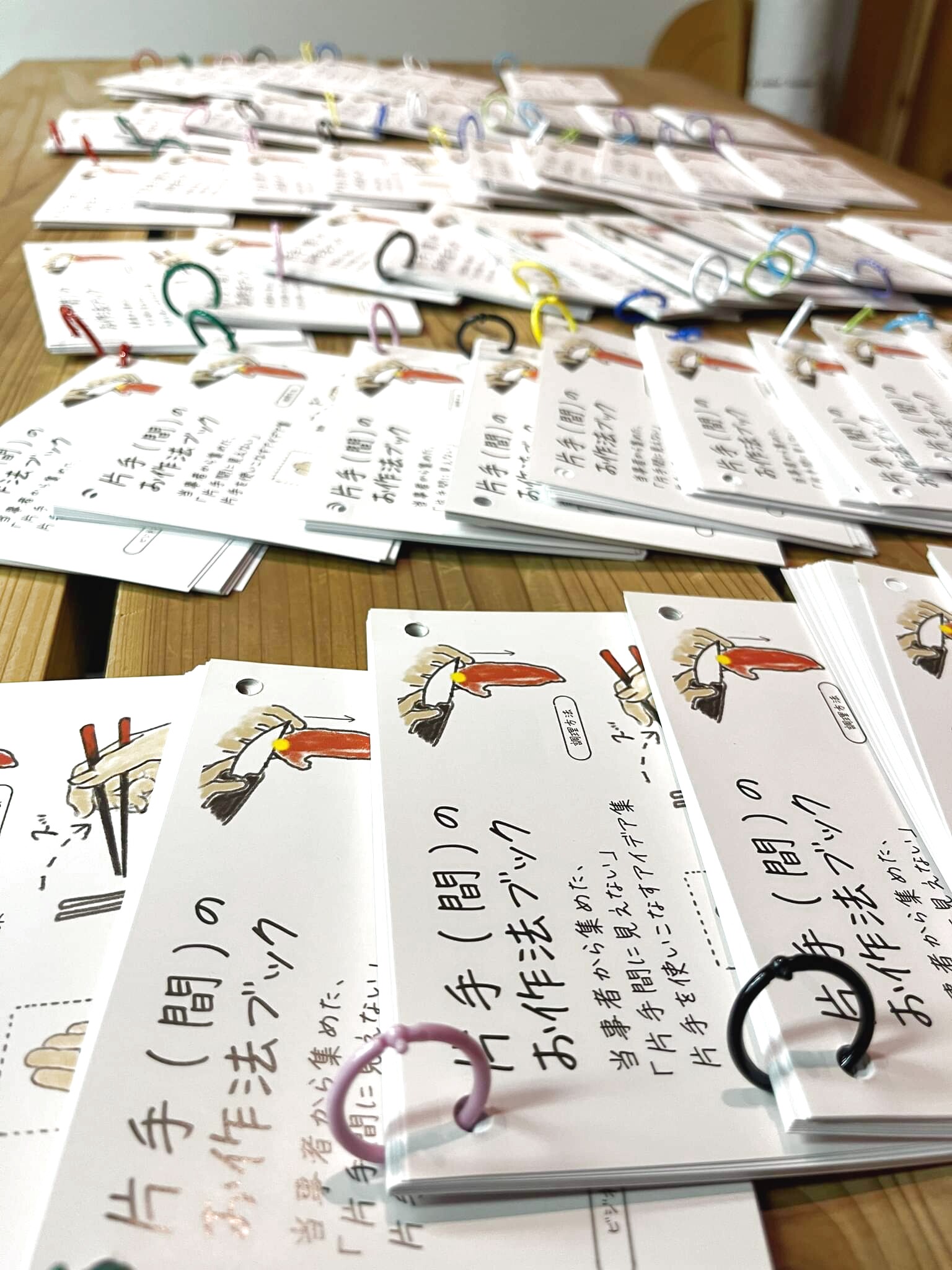
The One-Hand(-Interval) Etiquette Book
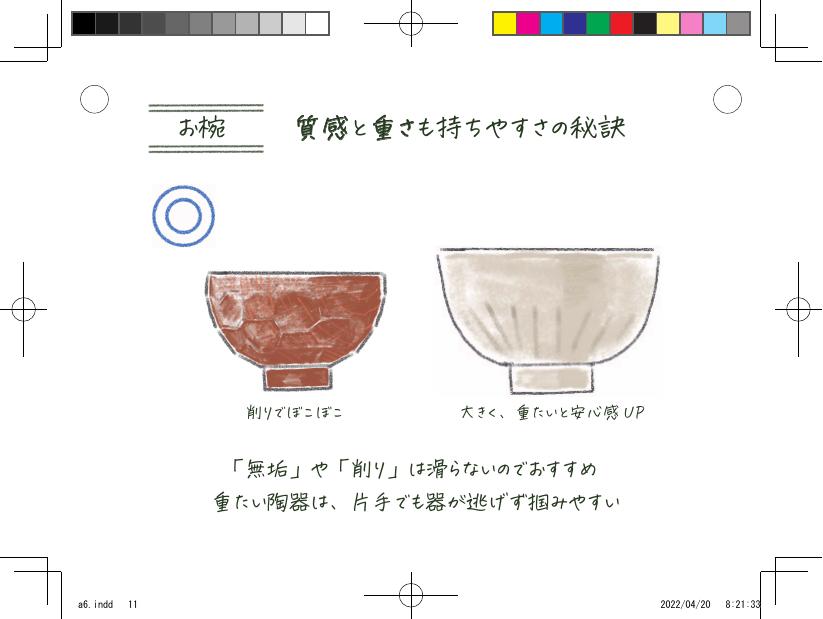
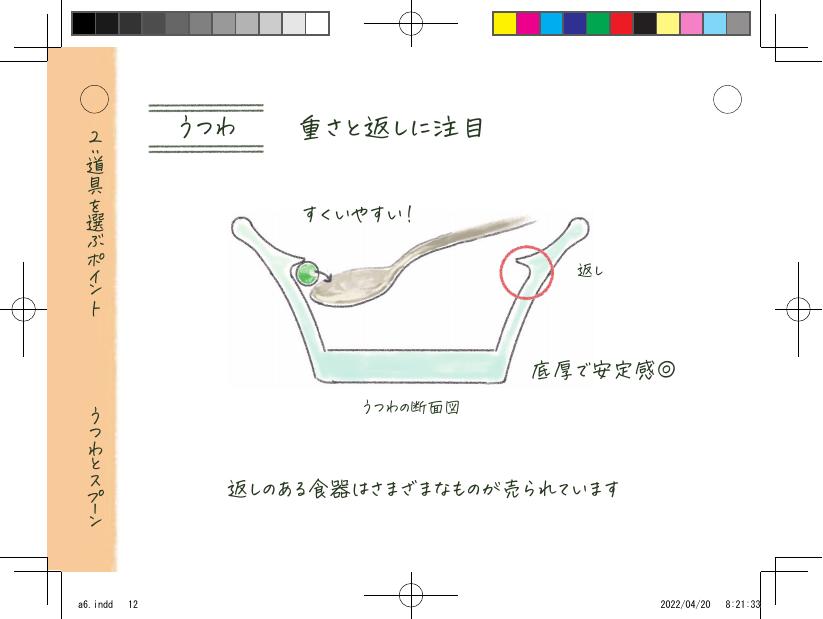
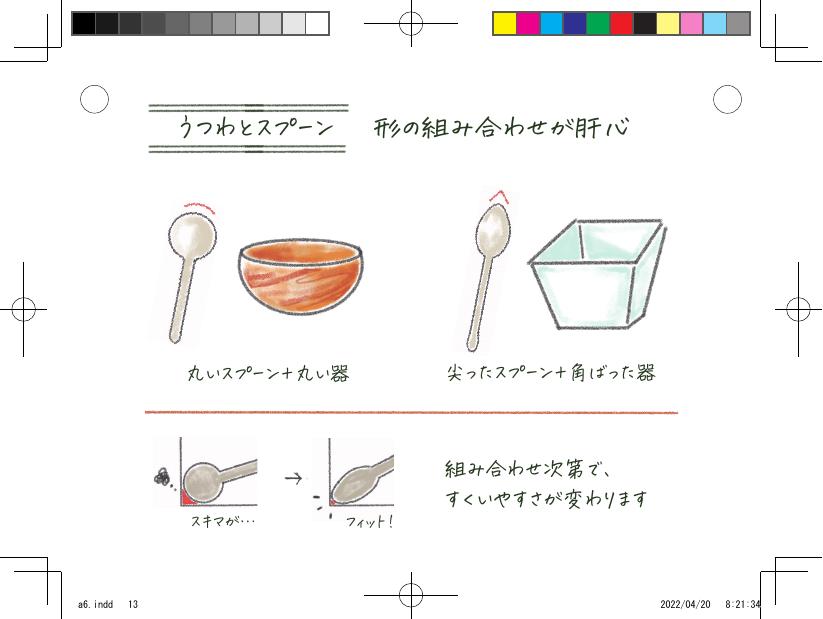
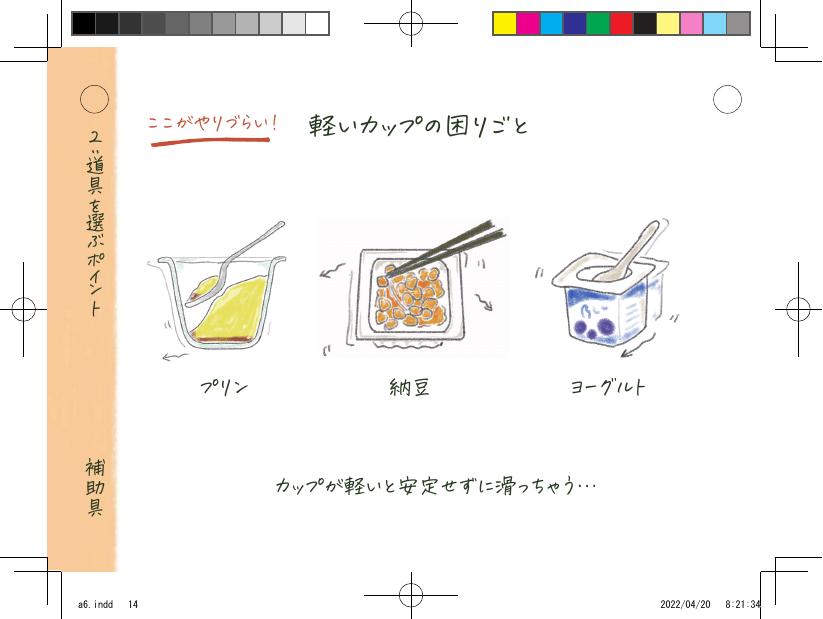
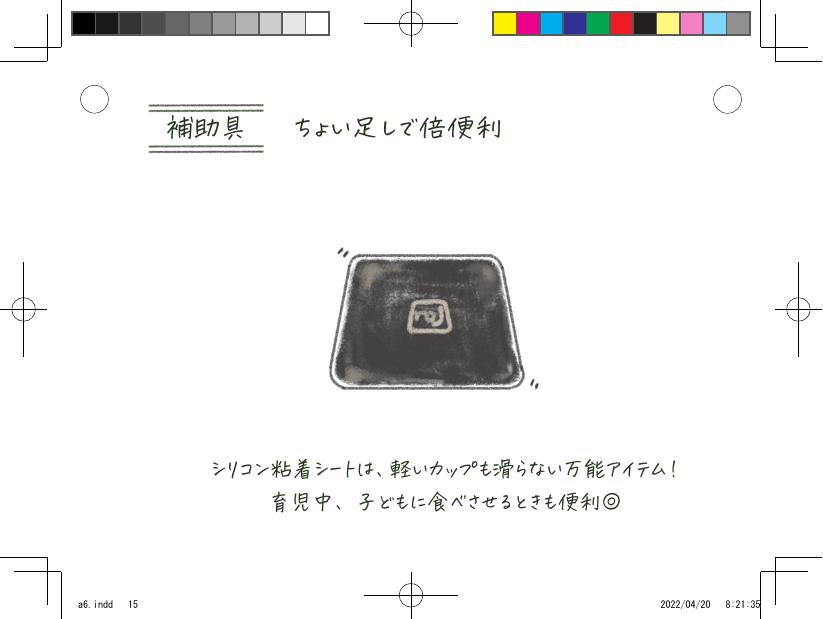
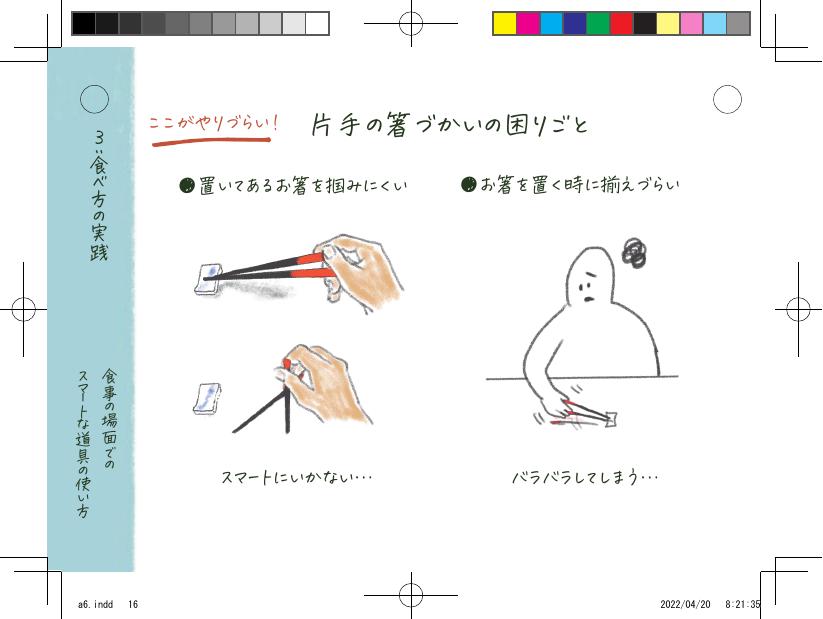
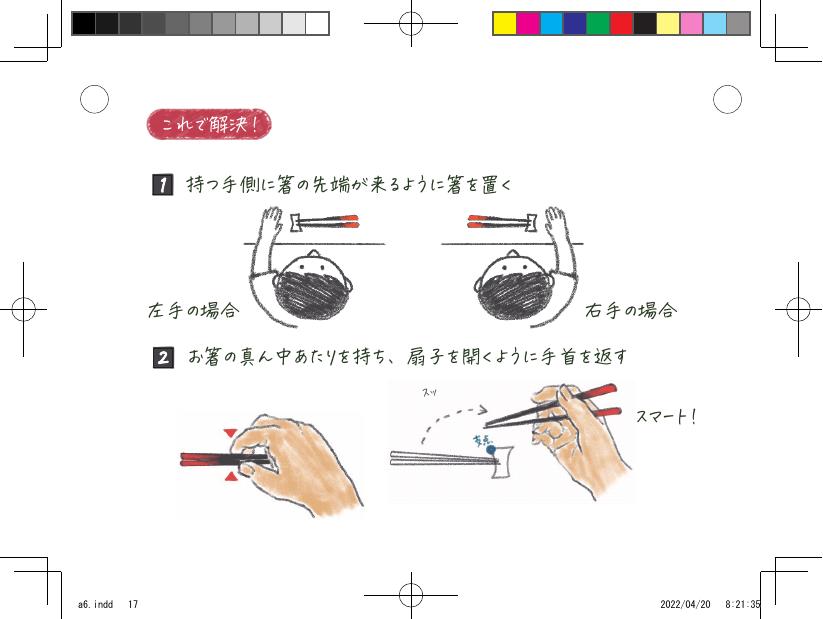
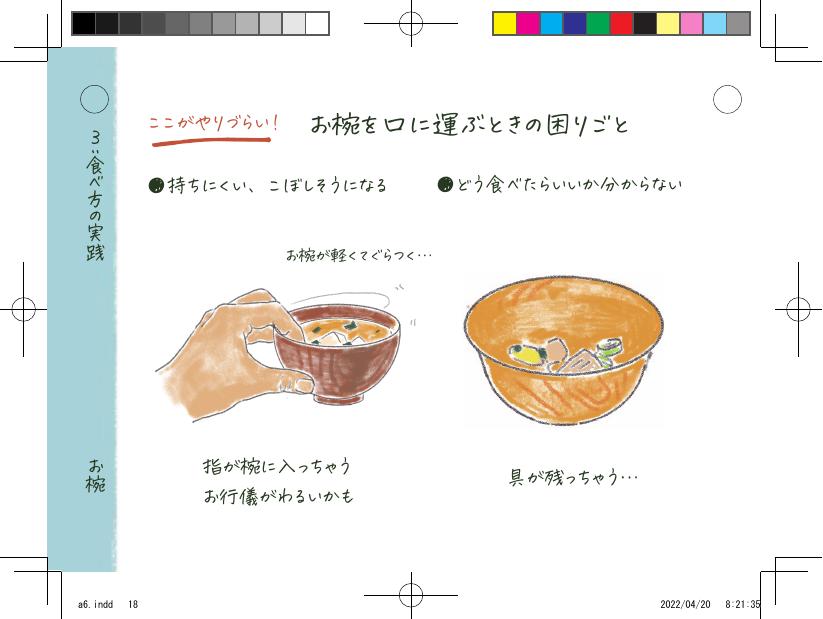
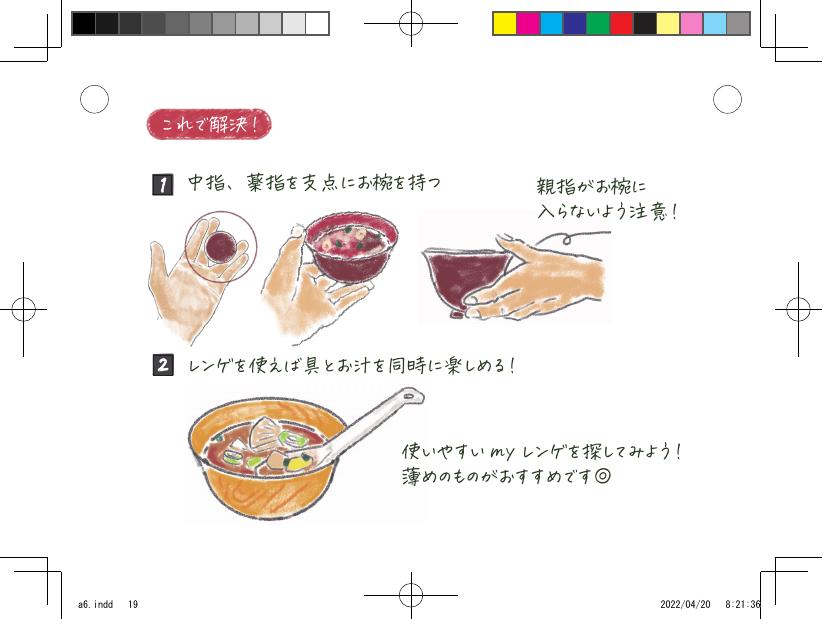
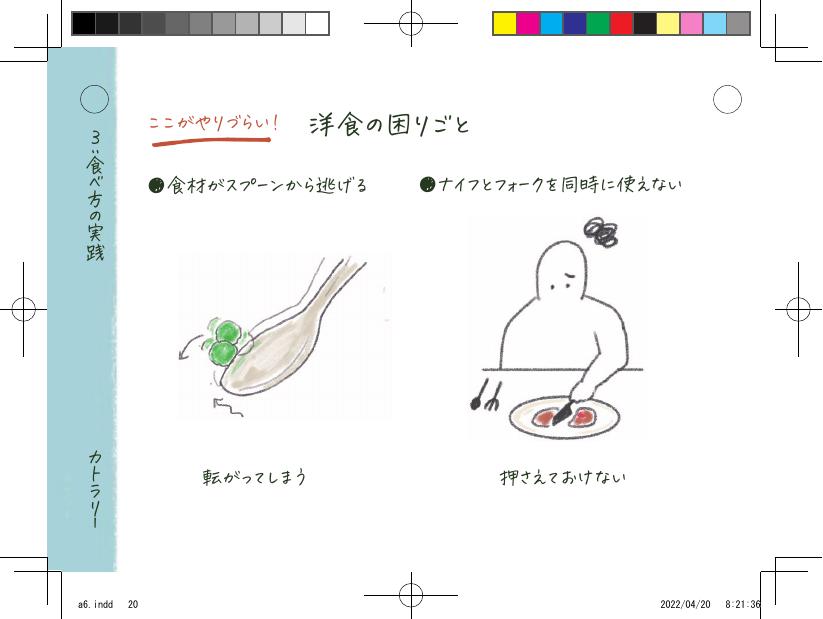
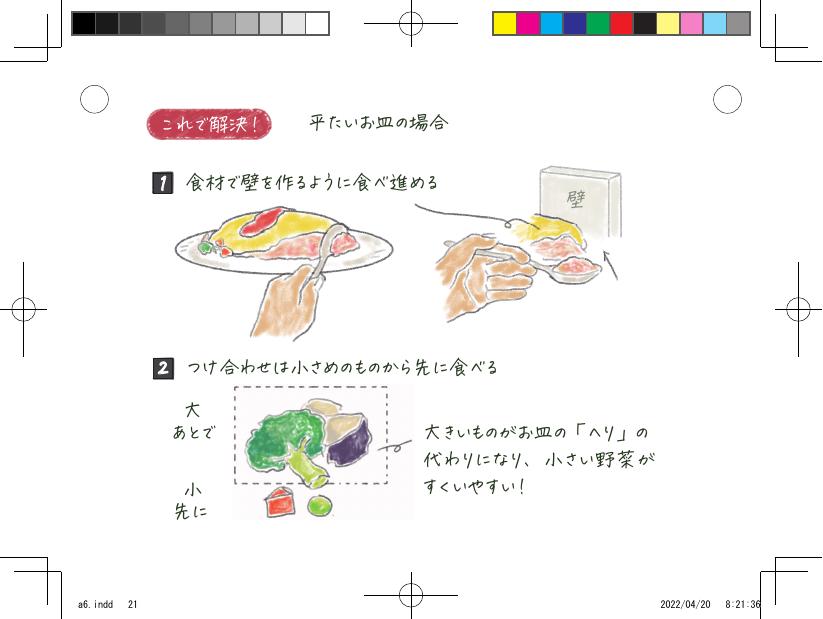
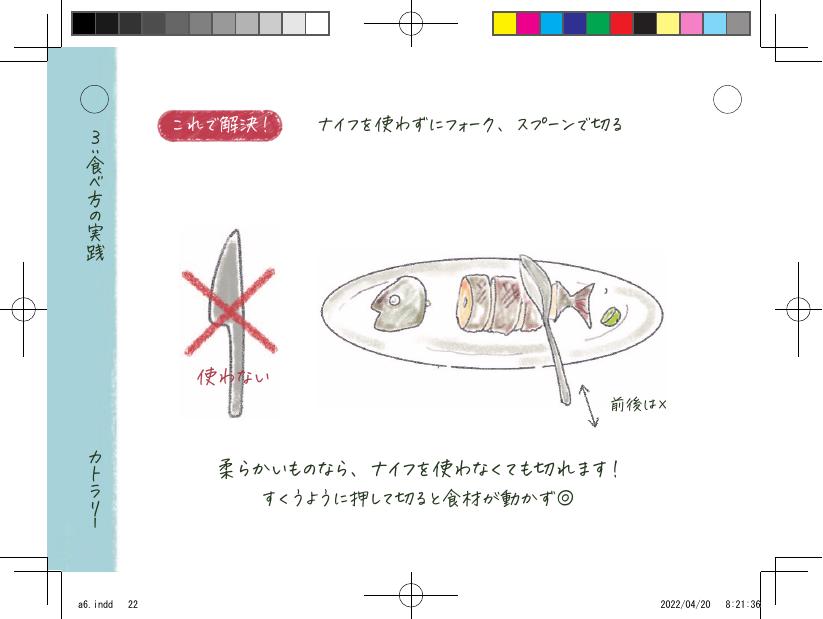
Built on the idea that “etiquette is a considerate heart toward others, and thinking it through also improves one’s own quality of life,” this project gathers practical tips for everyday one-handed movements into a booklet. Volume 1, “Eating & Manners,” is complete, and Volume 2, “Tools & the Body,” is in progress (illustrations by Rikako Kashima).
“Learning from the benefits of inconvenience” — we’re looking for everyone’s ideas and tips. Let’s build it together.
Contact: katate.osahou@gmail.com
Supporters

Do you know about phantom limb pain?
We hope for even a little relief from pain, and for a life lived with a smile.
A phantom limb is the sensation that a limb lost to illness, injury, or nerve damage is still there. How it is experienced — its position, length, and so on — varies from person to person.
When that phantom limb causes intense pain, it can significantly affect daily life (ADL) and quality of life (QOL). Responding to it remains one of the most important and difficult challenges in medical and rehabilitation settings.

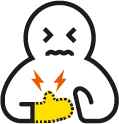
I’m ‘Genshi-kun,’ nice to meet you!
Phantom limb pain is hard for people around you to understand, so you end up facing it alone. But that pain might ease up, even just a little. Let’s fight it together.
The mechanism behind phantom limb pain, and mirror therapy
Phantom limb pain is thought to occur when damaged nerves send abnormal signals to the brain, which the brain then interprets as pain.
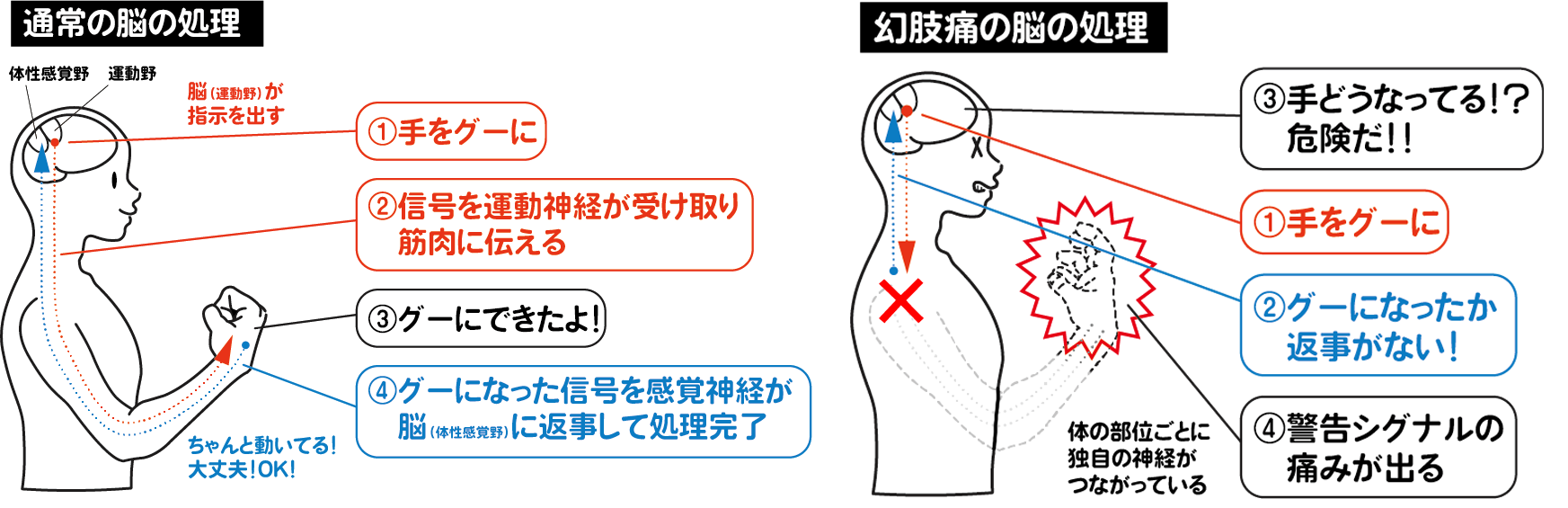
Mirror therapy was devised on the idea that updating the information reaching the brain might ease this pain. By reflecting the intact hand in a mirror, the brain is led to perceive that the hand is moving, which can help relieve the pain. That said, how people picture their lost limb varies from person to person, so mirror therapy alone doesn’t work equally well for everyone.
The causes are not yet fully understood, and research into how best to address it is ongoing.
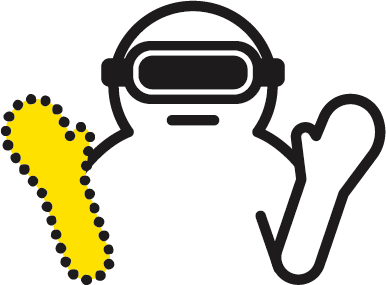
Born from participatory research: a VR app for
phantom limb pain, “Mirror-VR”
Mirror-VR was developed out of a wish to offer a care environment people could begin using themselves right after surgery. As a new self-care tool for approaching phantom limb pain, it has drawn interest from medical and welfare settings.
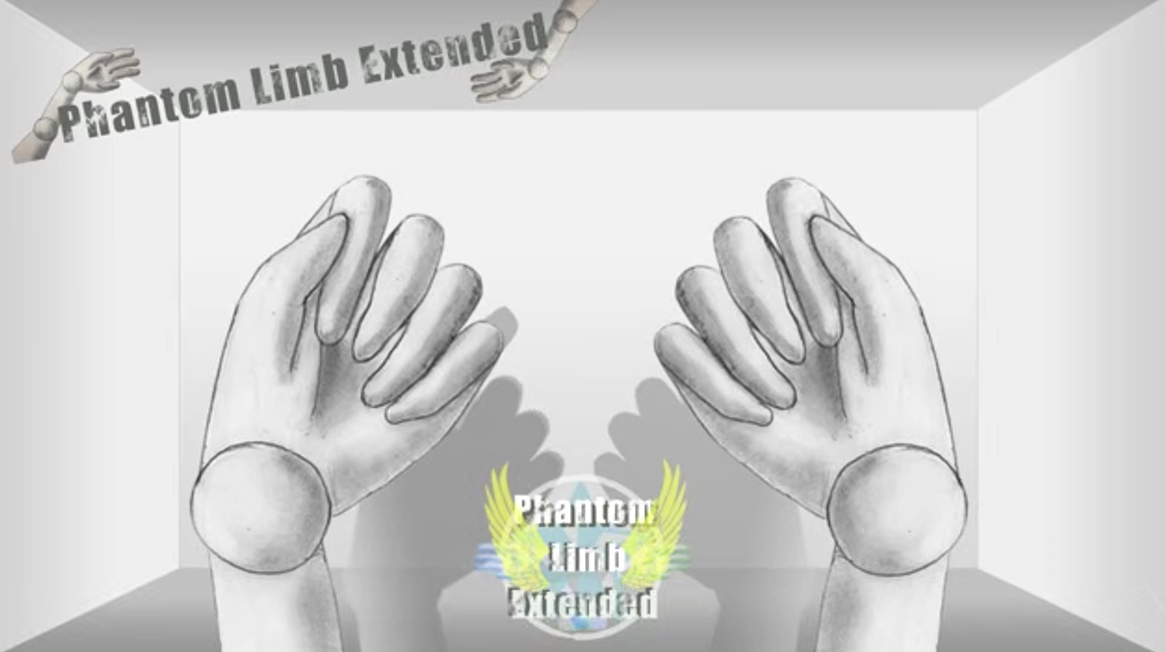
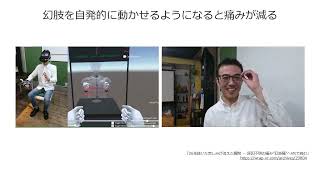
The system’s distinguishing feature lies in the visual experience made possible by VR’s high sense of immersion, different from traditional mirror-based approaches. Inside the virtual space, a virtual hand appears at the position where the user imagines their phantom limb, visualizing a limb that could otherwise only be felt inside the brain and giving rise to a sense of body ownership over it. The sense of “moving it by your own will” is what drives this new stimulation to the brain. Every person's symptoms are completely different. The device (VR) alone can't solve that. Only by standing beside each person, exclusively, does a real solution emerge.
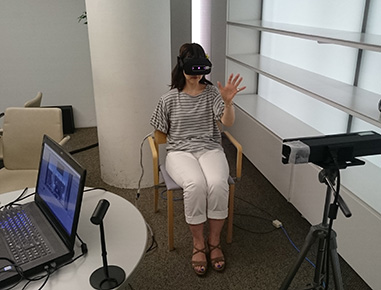
System
HMD + LeapMotion / Kinect + Unity
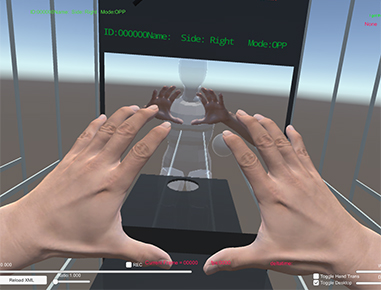
My Own 3D Scan Model
Consideration for those with strong trauma
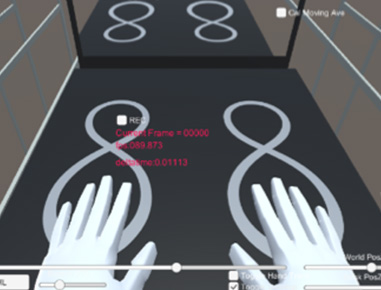
Memory Experience 1
Tracing
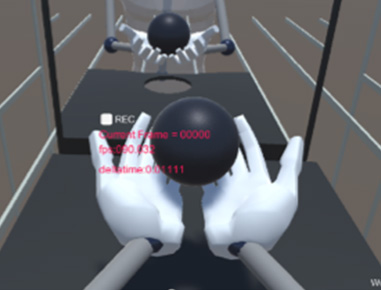
Memory Experience 2
Scooping Balls
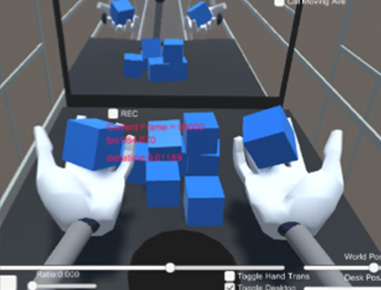
Memory Experience 3
Blocks
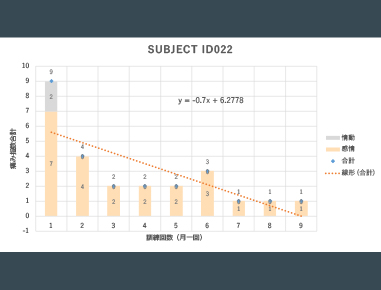
Self-Assessment
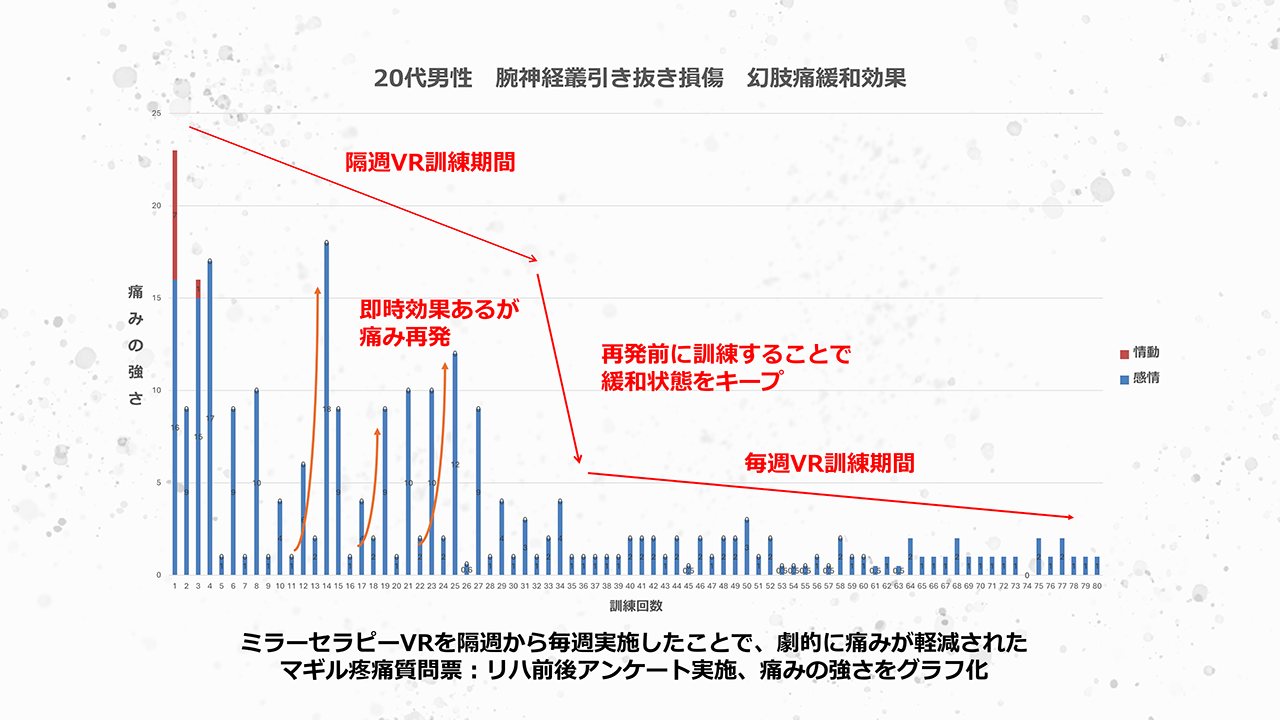
Pain survey results, before and after training
System Version01
High-Spec Version
- Head-mounted display (Oculus Rift)
- Motion capture (LeapMotion + Kinect V2)
- Control PC (Unity Game Engine)
System Version02
Simplified Version
- Runs on a standalone head-mounted display (Meta Quest 3)
- Specialized for fingertip movement; elbow position is estimated
Notes
- This is a self-care tool, not a medical device
- Designed for those who find traditional mirror therapy hard to use, since a phantom limb’s length and position often aren’t reproducible with a mirror
- Can be set up in a small space (2m × 3m)
- Includes content that lets users experience nostalgic two-handed movements again
About the Remote Version
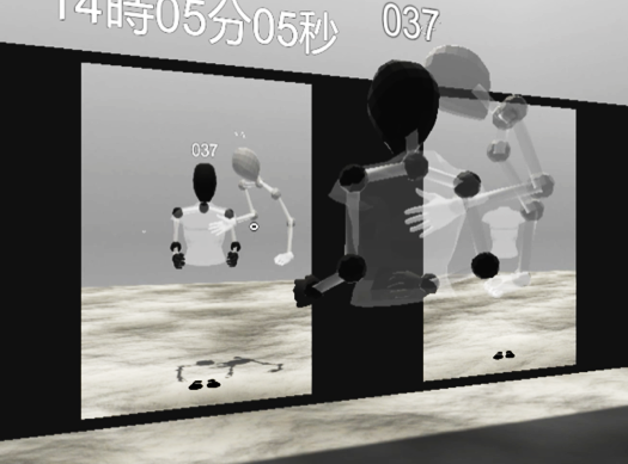
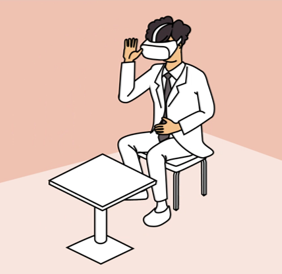
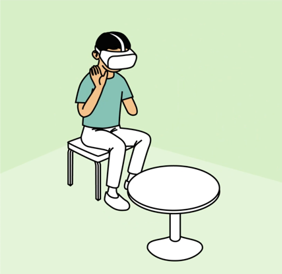
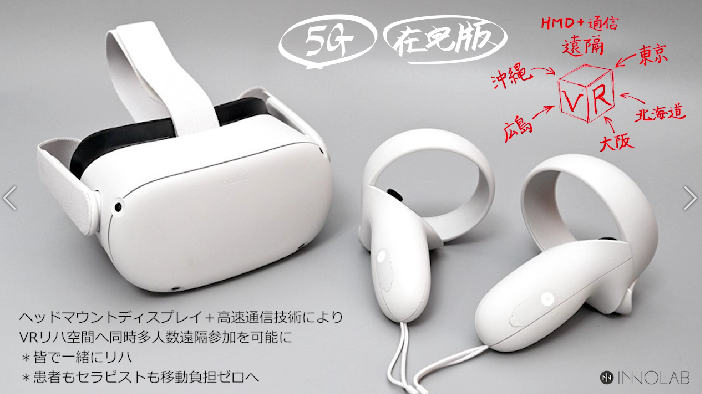
All that’s needed is a VR device, so it can be used anywhere. In partnership with Dentsu Soken Inc. (formerly ISID), a remote version has also been developed, allowing a person with lived experience and a therapist in different locations to share the same virtual space during a session (read the Dentsu-ho article ↗). It supports people in building an environment where they can take a self-directed approach to self-care.
Voices from Participants
Orthoses & Care Products
Beyond VR, through his work with NPO Mission ARM Japan, he is also involved in developing orthoses and care products using 3D digital technology.
Shoulder-Line Forming Pad
for Paralysis & Shoulder Disarticulation
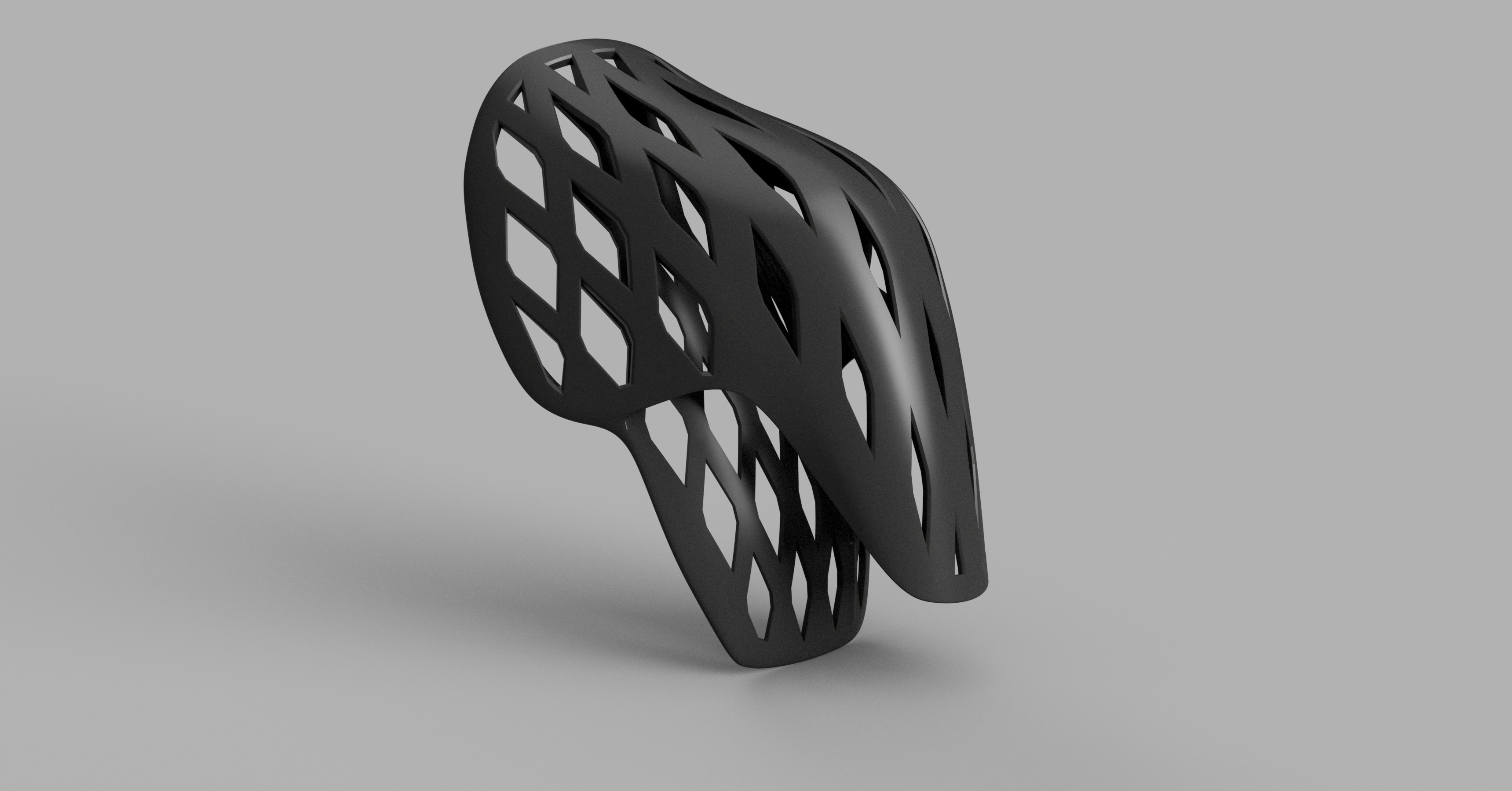
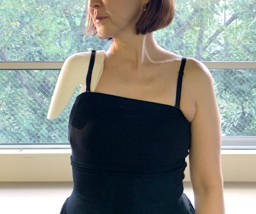
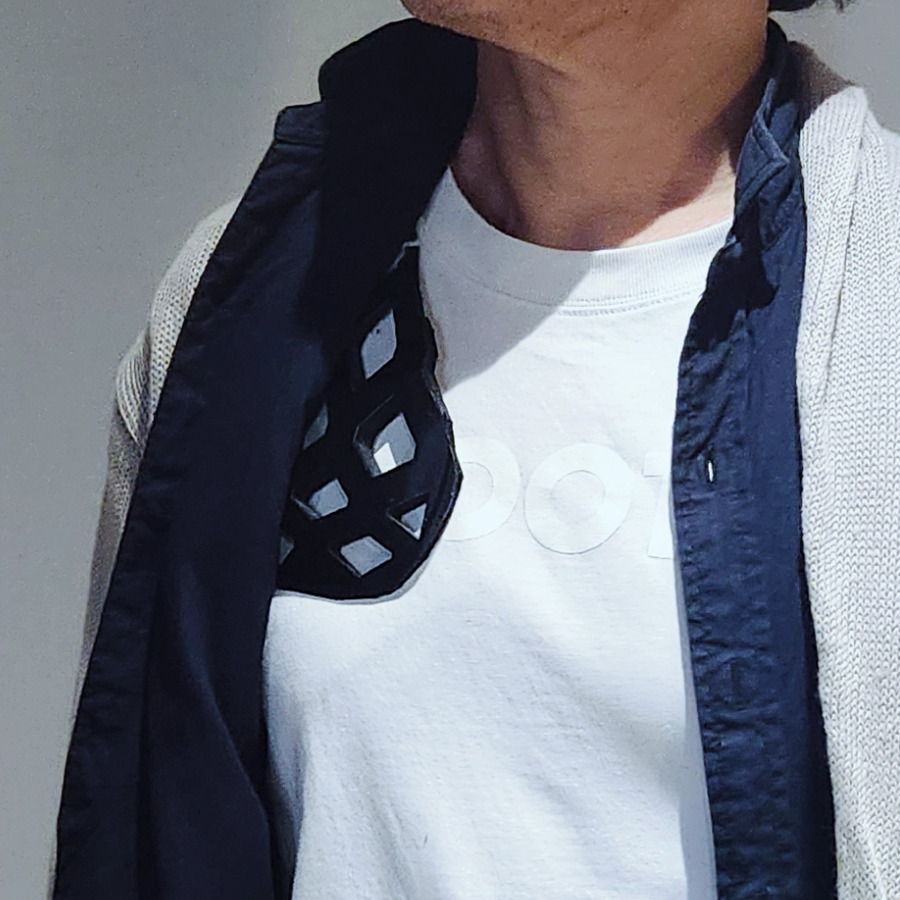
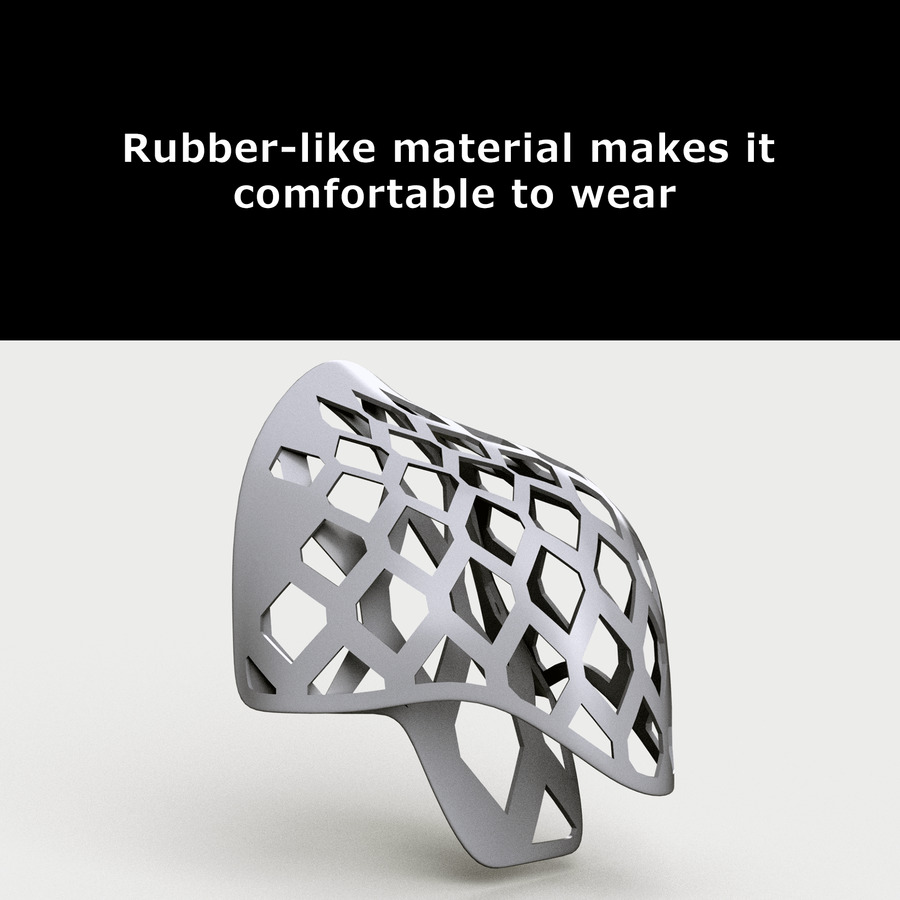
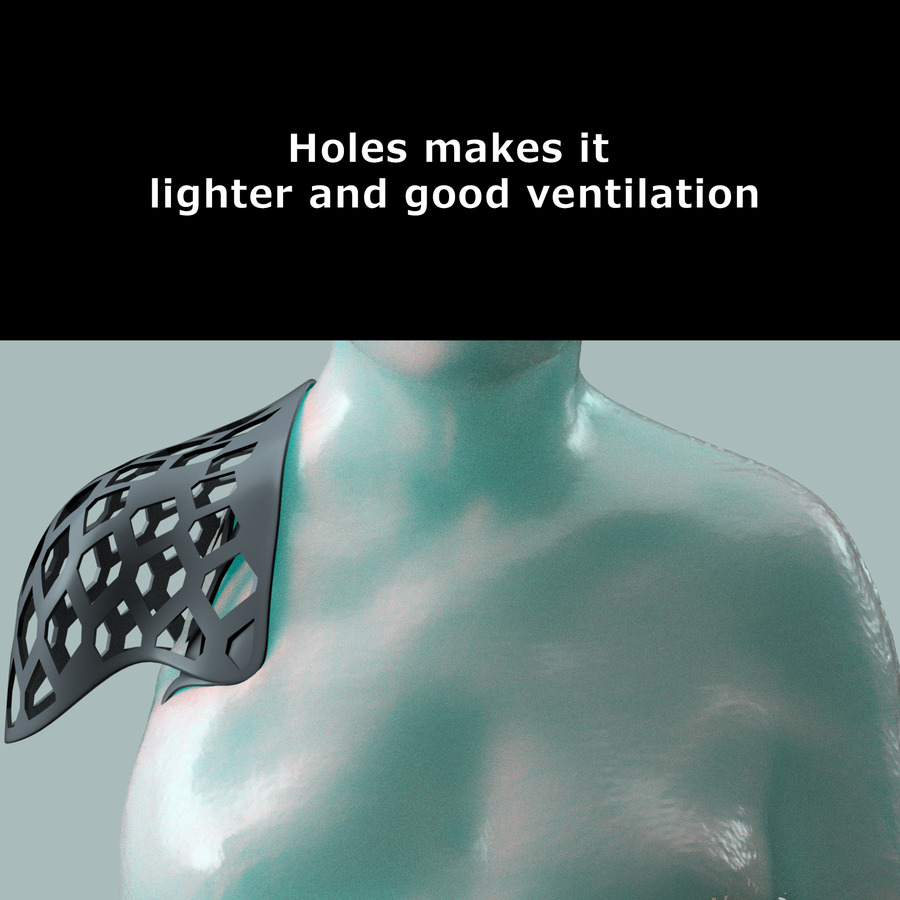
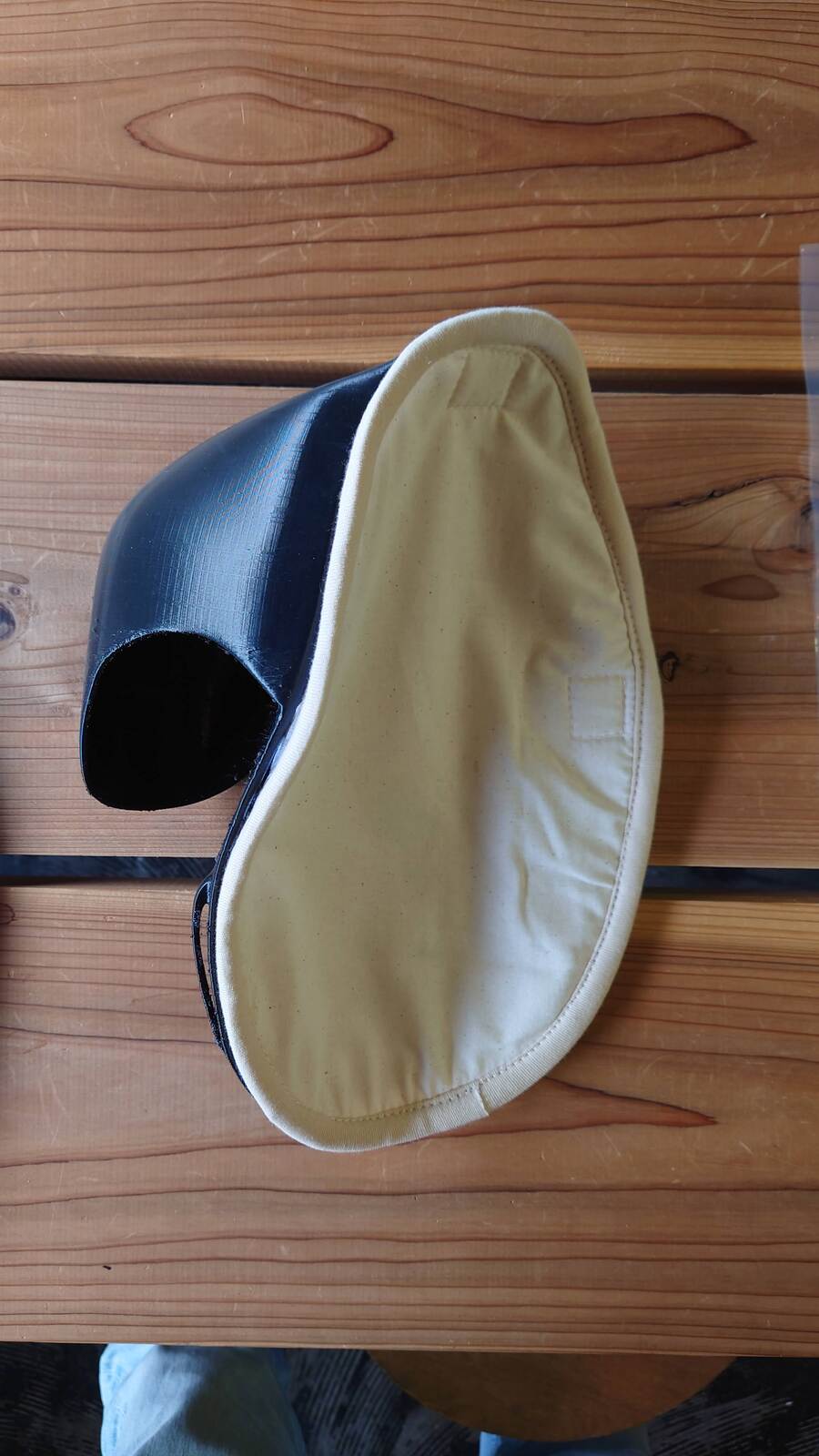
A 3D-printed pad that delivers the “ideal shoulder” shaped by the user’s true feelings, using digital technology. It aims to let people wear clothes again, lift their spirits, and support a healthy return to social life, both physically and mentally. Developed in partnership with Stratasys.
- Quick, easy measurement with a 3D scanner — a few minutes, no need to touch the body
- Scanner can be mailed out, so scanning can be done at home
- Shaped to fit the affected area as closely as possible, for a comfortable feel
- Soft to the touch, made of TPU (thermoplastic polyurethane), a rubber-like material
- Perforated design keeps it lightweight and breathable
- Automated generation cuts labor and lowers cost
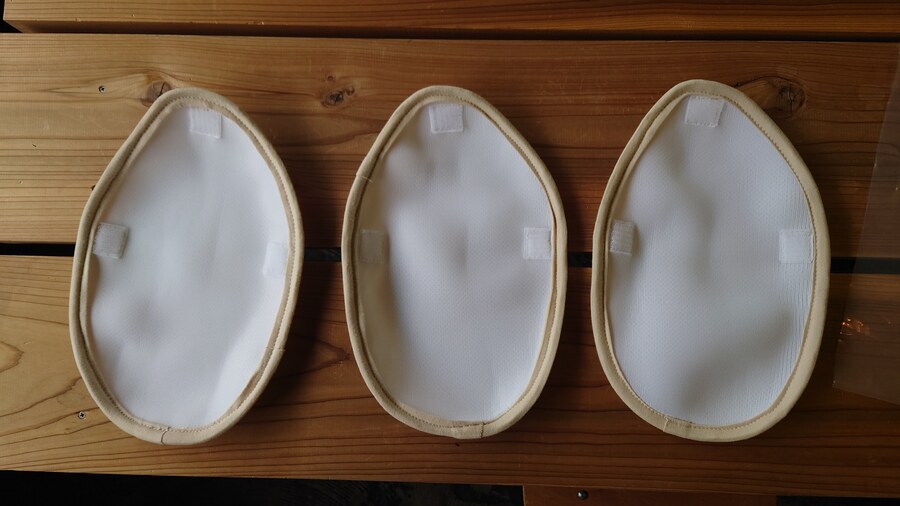
The liners are handmade by Natsuko Kurasawa — former chair of MAJ and herself the first wearer of the shoulder pad — together with prosthetists and orthotists, who have refined them for breathability, comfort against the skin, and how easily the area perspires.
Read the Stratasys case study ↗
Supporters

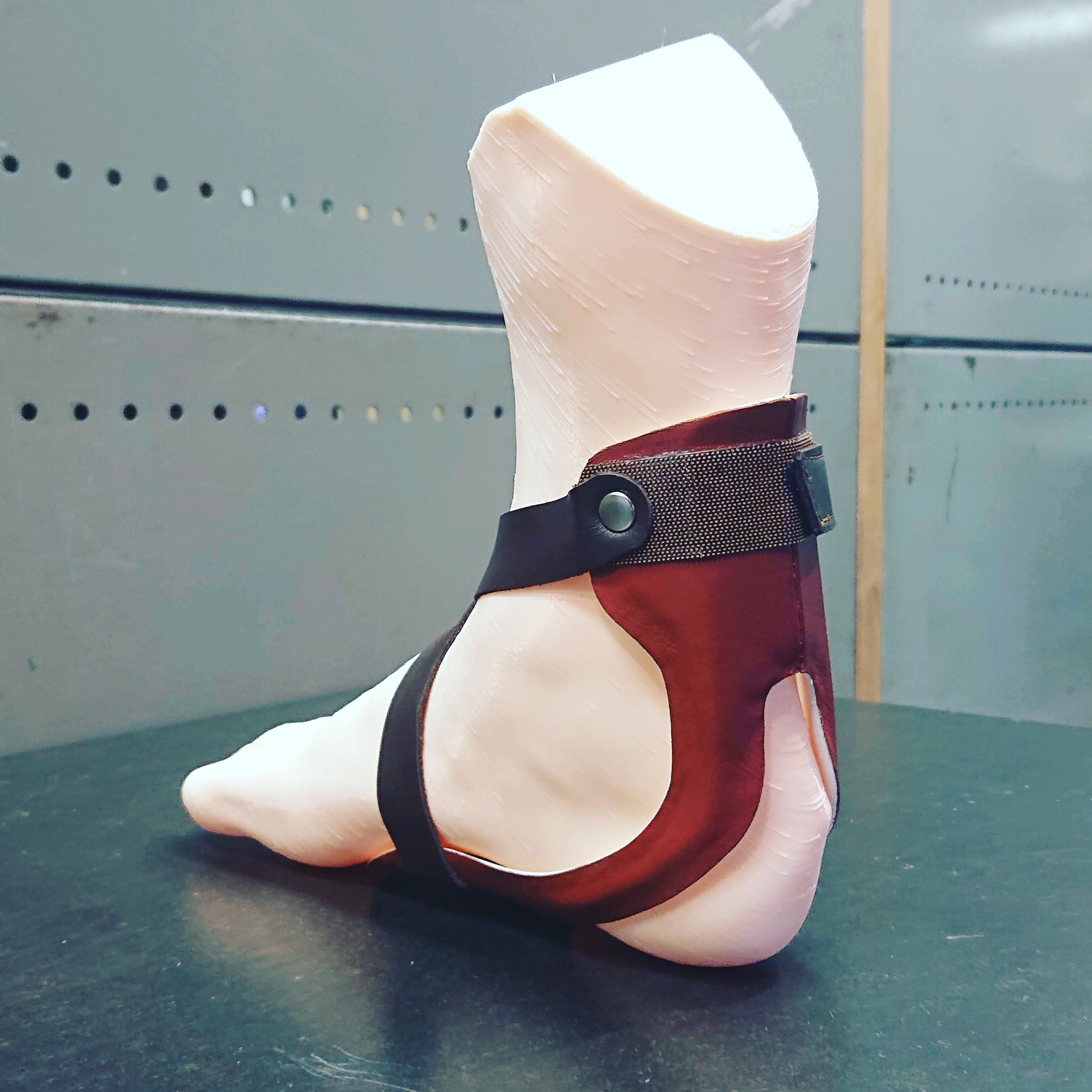
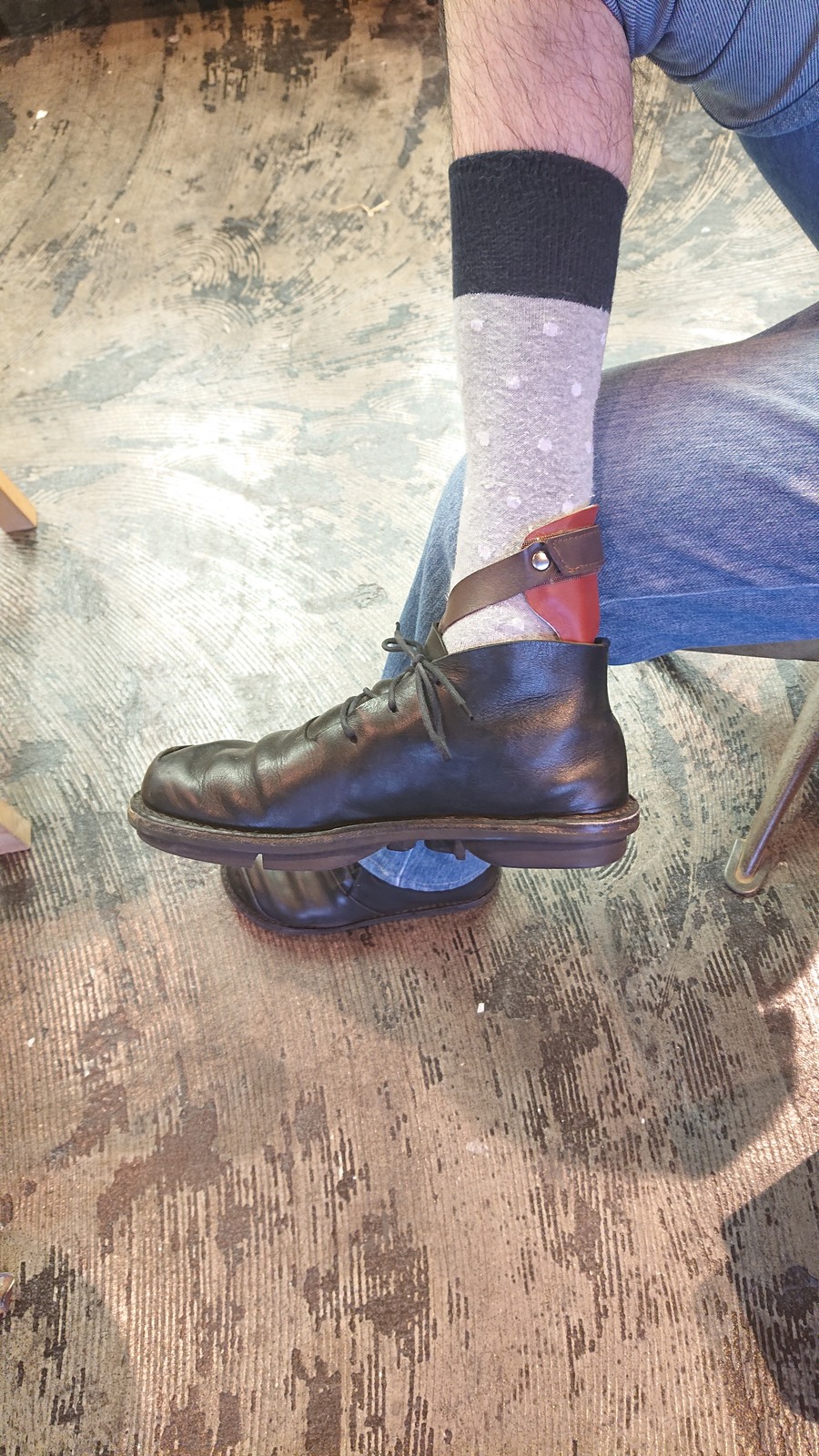
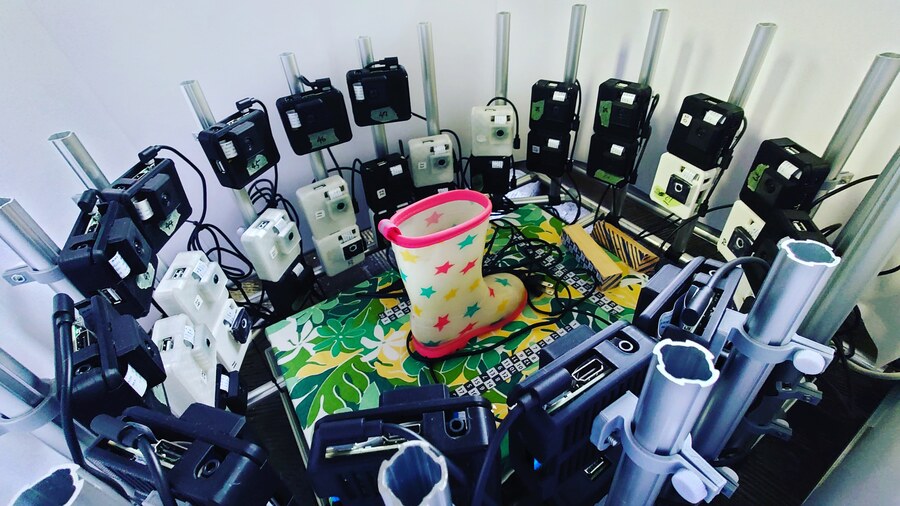
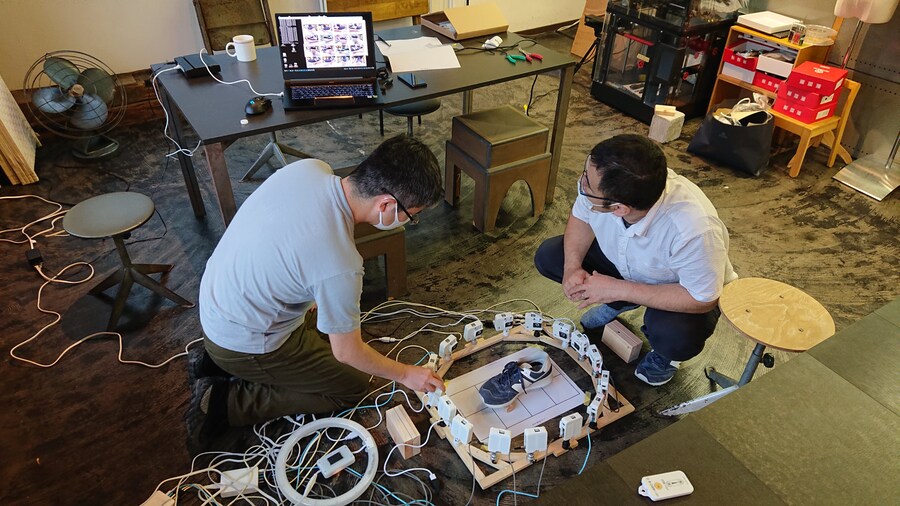
Bespoke Ankle-Foot Orthosis
You’ll Want to Show Off
Born from a friend’s wish for an orthosis you’d want to show off, and one that lets you wear the shoes you actually want — now a program that prosthetists and orthotists anywhere in the country can use to make their own bespoke ankle-foot orthoses.
- Giving users real choice, with a stylish design worth showing off
- A low-cost portable scanner, developed in-house
- About one second of photogrammetry-based measurement keeps the burden to a minimum
- An automated fitting system with freely adjustable stiffness and length
- A new fitting method that lets users wear the shoes they want
Realized in collaboration with prosthetist/orthotist Tsuyoshi Endo and Osamu Mizuno of Tetraface, Inc., the developer of the 3D modeling software Metasequoia.
Supporters

Profile & Research Activities
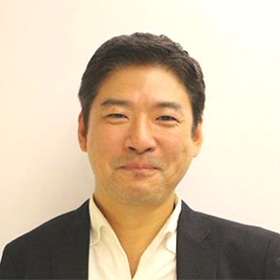
Mission ARM Japan | Vice Chairman
Tokyo Reiwa Lions Club, Disability Welfare Division | Chairman
At age 17, an accident caused a brachial plexus avulsion injury to his right arm, and he began living with his left hand alone — together with phantom limb pain. After graduating from Tokyo Zokei University, he studied Ocean & Architectural Engineering at Nihon University Graduate School and the Institute of Industrial Science, The University of Tokyo, and completed a master’s in Automotive & Transportation Design at Coventry University (UK). He came to realize, with some embarrassment, that the effort he had poured into standing on his own had, in fact, only been possible because so many people had helped and looked out for him. From that realization grew a feeling that it was now his turn to give back. A conviction that the technical expertise he had built over many years — using generative design and VR technology across automotive, architecture, and civil engineering projects — could also be applied to easing phantom limb pain, together with the fact that he himself lives with this pain, became a strong sense of mission, and he began development.
That motivation has, as the work has continued, gradually broadened from a medical outlook toward a more welfare-oriented one. Giving back to medicine, for him, means easing the burden on the healthcare system. Believing that prevention will matter more than ever in the years ahead, and trying to rely on medical care as little as possible, he trains for this every day alongside his peers from the support group.
See his design work portfolio ↗
Research Theme
Creating the standards of the future by applying exclusive design technology to people living with limb disabilities.
Joint Research
This research began as clinical research with Assoc. Prof. Masahiko Sumitani of the University of Tokyo Hospital. Together with Prof. Michihiro Osumi of Kio University and Yuji Inoue, CTO of KIDS Co., Ltd., he now works on clarifying the mechanisms behind the onset and relief of phantom limb pain. In recent years, he has also partnered with Bio Search Co., Ltd., a company specializing in biosensor technology, on research using EEG data to help make pain more objectively understood.
Selected Publications
- 2019Characteristics of Phantom Limb Pain Alleviated with Virtual Reality Rehabilitation — Pain Medicine 20(5):1038-1046. Osumi M, Inomata K, Inoue Y, Otake Y, Morioka S, Sumitani M. DOI ↗
- 2019Visual feedback in a virtual reality system corrects distortion of the phantom limb — 36th Annual Meeting of the Japanese Cognitive Science Society (JCSS 2019), OS12-4. Osumi M, Sumitani M, Inomata K. PDF ↗
- 2019Expectations for the medical application of virtual reality: a patient’s perspective — Annual Meeting of the Japanese Society for Virtual Reality in Medicine (sole author).
- 2020Digital mirror therapy for phantom limb pain, created together with people with lived experience — Transactions of the Virtual Reality Society of Japan, Vol. 25, No. 3, pp.181-184. Inomata K, Osumi M, Inoue Y, Sumitani M. DOI ↗
- 2022Phantom limb pain rehabilitation opened up together with people with lived experience — Cognitive Studies, Vol. 29, No. 2, pp.303-311. Osumi M, Inomata K, Inoue Y, Sumitani M. DOI ↗
- 2022Remote digital mirror therapy for phantom limb pain relief — 21st Annual Meeting of the Japanese Society for Virtual Reality in Medicine, Proceedings 21(suppl-1) p.10 (GS1-1). Osumi M, Inomata K, Okada A, Inoue Y. Conference info ↗
- 2023At-home digital mirror therapy relieves phantom limb pain — 39th Annual Meeting of the Japanese Society of Prosthetics and Orthotics, Poster P2-1-8. Osumi M, Inomata K, Okada A, Inoue Y. Program ↗
Patents
- JP2018-191964 “Neuropathic pain treatment support system and method”
- JP2021-137348 “Phantom limb pain care system, patient device, and program”
Awards
- 2006Interior Motives Awards — Finalist, Best Innovation
- 2006Corus Awards — 2nd Place
- 2007Interior Motives Award — Winner, Best Lifestyle Interior / Winner, Best Personalisation Article ↗
- 2008Michelin Challenge Design — Finalist
- 2021Good Design Award — “Remote Multi-User VR Therapy System for Phantom Limb Pain” Award page ↗
Teaching
- Part-time lecturer, Digital Hollywood University (Introduction to CG) and HAL Tokyo (3D Design & Visualization)
- Part-time lecturer, Shonan Institute of Technology (Product Design) (until 2021)
- 2025.06Speaker at the JDMA symposium “Life Design That Changes Society”
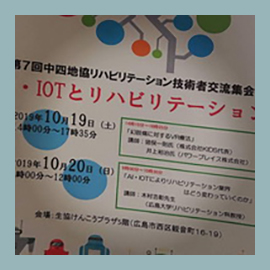
- 2019.10Lecture for medical and rehabilitation professionals (hosted by the Chushikoku Regional Council of Min-Iren)
- 2020.01Lecture on computational thinking and career education for elementary school students and parents (Higashi-Hiroshima Municipal Takayanishi Elementary School)
Social Activities
- Vice Chairman, NPO Mission ARM Japan (since 2016)
- Special Member, Japan Design Management Association (JDMA) (since 2019)
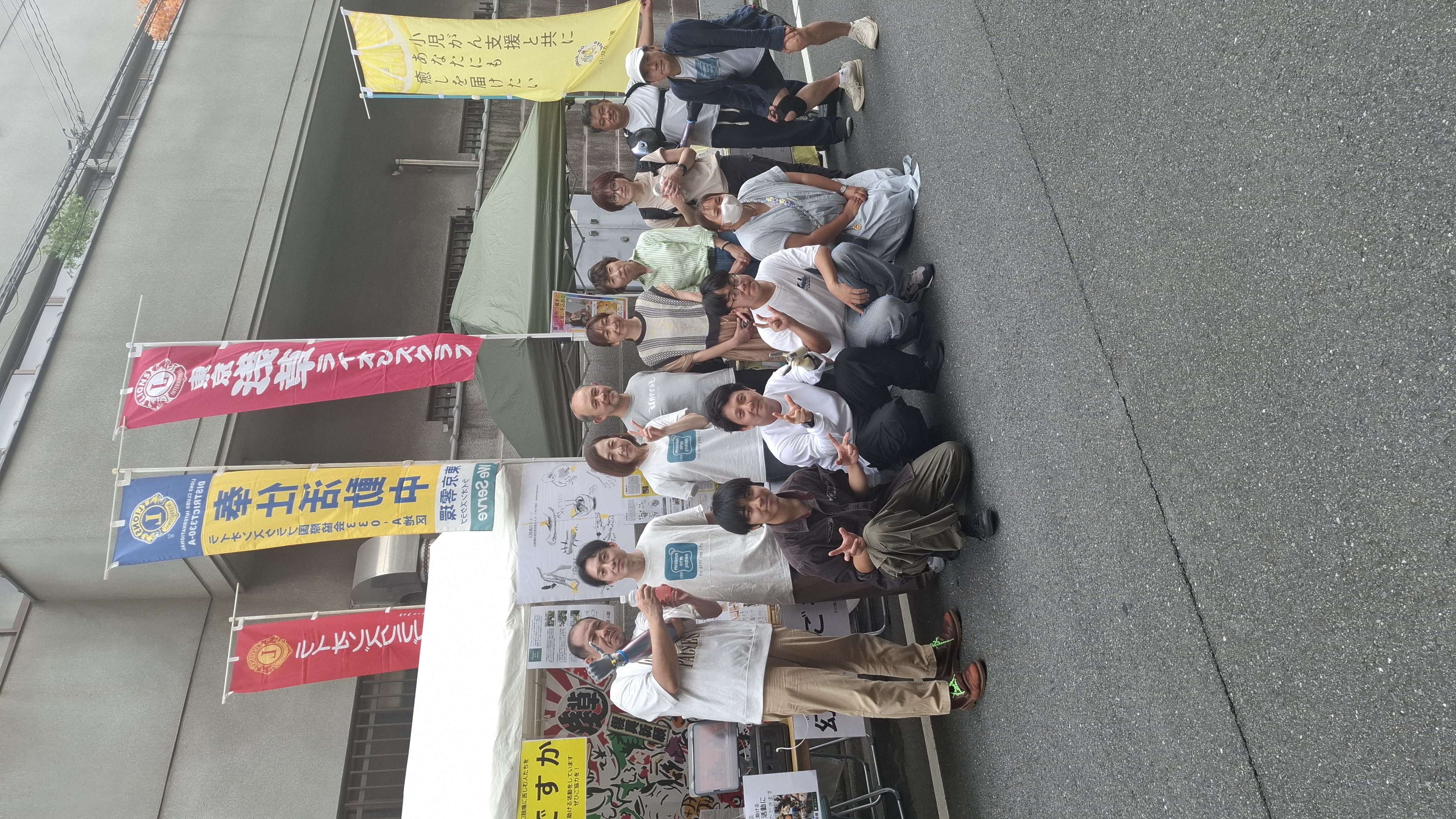
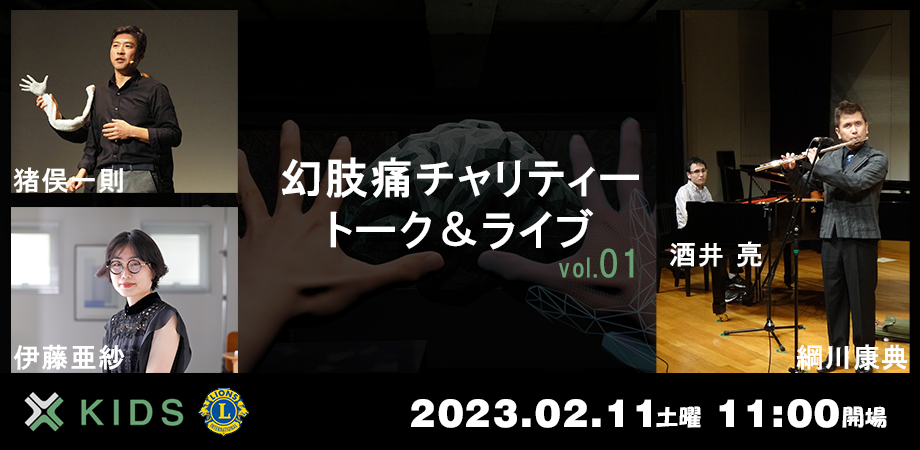
- Chairman, Disability Welfare Division, Tokyo Reiwa Lions Club (since 2020). Through the “Understanding Phantom Limb Pain” talk & live events, he has also built connections with people living with other disabilities, including visual impairment
Press & Media Coverage
Read the article ↗
View on Instagram ↗
Read article ↗
Read case study ↗

Read article ↗

See support group details

Watch video ↗
Project page ↗
Book details ↗
Details ↗

Show info ↗
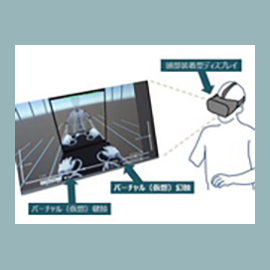
Press release ↗
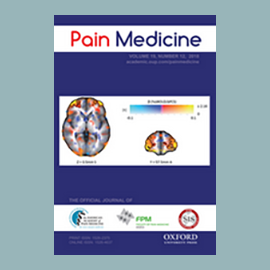
Paper ↗

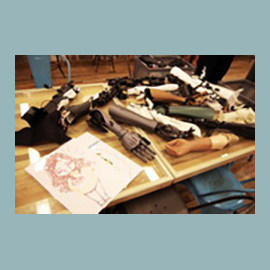
Read article ↗
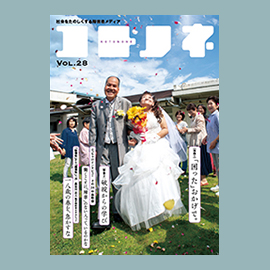
About Us
KIDS Co., Ltd. is a company built on “participatory research” — grounded in the real experiences and perspectives of people living with phantom limb pain — developing a new kind of VR-based self-training (self-care) approach. Rather than looking only from the caregiver’s side, we work to understand the real feelings and concerns of people with lived experience, and to build the kind of support that is genuinely needed on the ground. As a result, the VR tool has drawn wide attention as a response to this poorly understood, hard-to-treat pain.
Our representative, Mr. Inomata, founded KIDS Co., Ltd. in 2015 to pursue VR rehabilitation and pain research through “participatory research,” a method in which medical professionals, engineers, and people with lived experience collaborate. Alongside this research and development work, he also teaches at HAL Tokyo, Digital Hollywood University, companies, and elsewhere. He sees peer support and mentoring the next generation as his own way of giving back — what he calls his “giving-back project.”